

SummitSeal - Ultimate Block Paving Sealer - Polyurethane
Heavy-duty solvent-based polyurethane sealer and sand stabiliser engineered for high-traffic paving.
Formulated to penetrate deep into concrete blocks, this elastomeric coating binds jointing sand to stop weeds and moss. It creates a tough, oil-resistant satin/wet look finish that withstands tyre plucks and heavy vehicle loads.
Delivery & Technical Support
Same Day Dispatch (Order by 11am)
Buy Direct From The Manufacturer
We Deliver To Mainland Europe
Technical Support From Coating Specialists
Our technical team can assist with product selection, surface preparation and application guidance.
Contact Technical SupportIf you have any questions, you are always welcome to contact us. We'll get back to you as soon as possible, within 24 hours on weekdays.
-
Delivery Information
Items dispatched the same working day if ordered before 11am, click here to read delivery policy
-
Customer Support
Looking for answers? Visit our Technical Hub for comprehensive advice on products, preparation, and troubleshooting, or simply call us on the number below.
-
FAQ’s
We get asked a lot of question, from preparation, product suitability to delivery information and returns. You can read through our most commonly asked questions Here
-
Contact Us
Need help, Call us on 0800 043 8220 from 8am to 4pm Monday to Friday and we will do our best to help.
Essential Information
Product Details
Description
Files & Data Sheets
The Knowledge Hub
Everything You Need to Know
Browse our collection of in-depth articles and how-to guides designed to help you get the most out of this product. whether you need help with surface preparation or application advice, we have you covered.
- by Sam Marriott
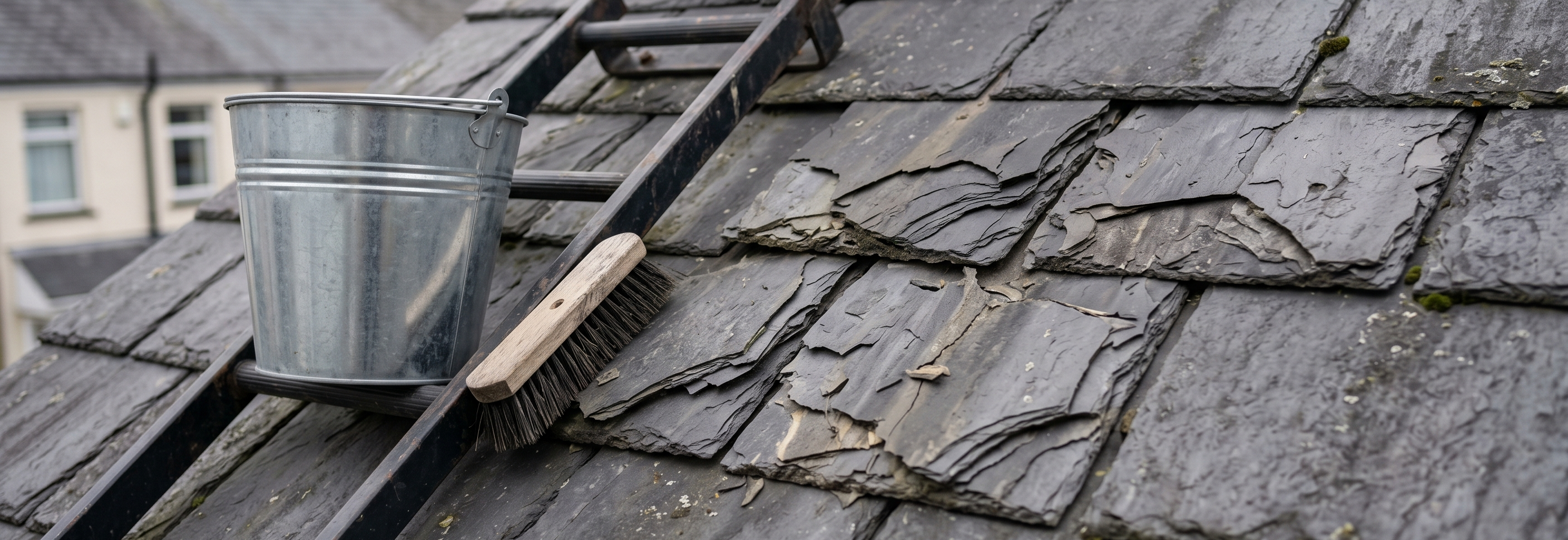
Restoring Delaminated Slate: Should You Clean or Replace?

- by Sam Marriott
Adhesion Testing: Checking if Paint Will Stick to Your Composite
- by Sam Marriott
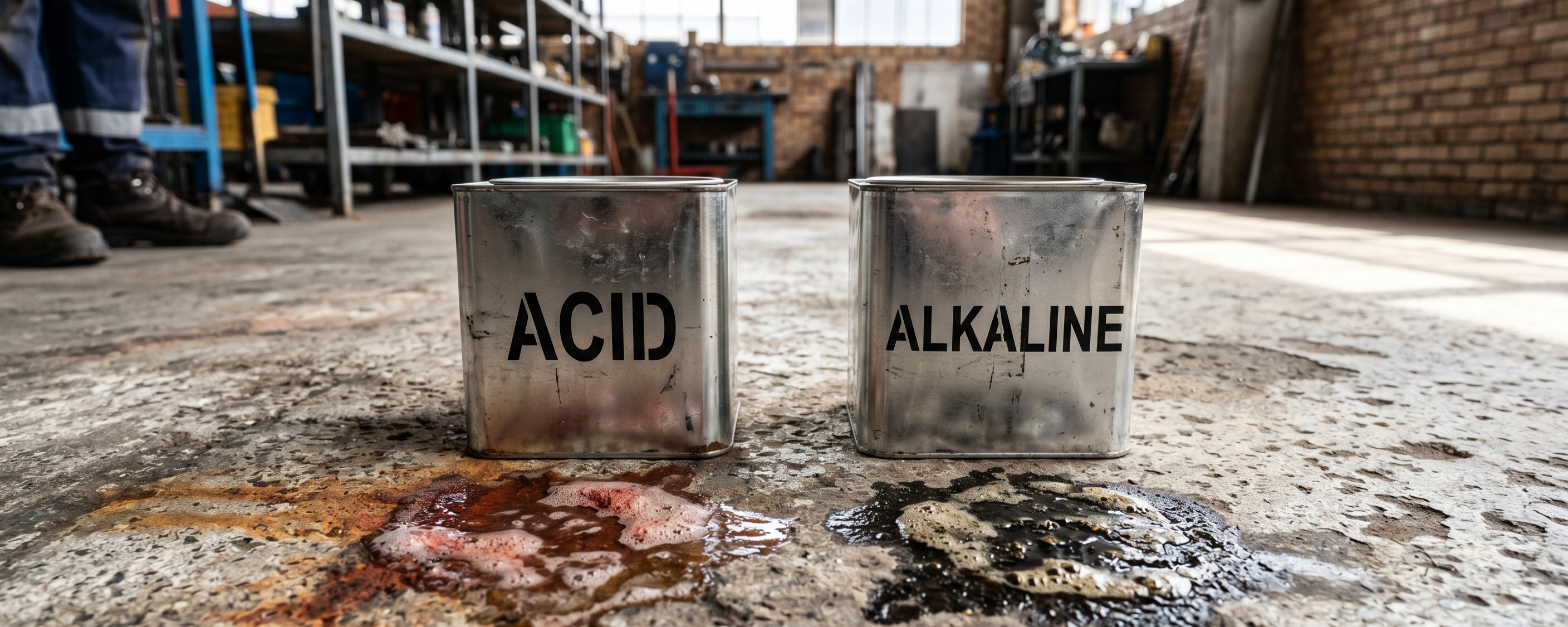
Acid vs. Alkaline Concrete Cleaners: Which Do You Need?

- by Sam Marriott
Industrial Floor Cleaning: Manual Mopping vs. Machine Scrubbers