- Black (RAL 9005)
- Dark Grey (RAL 7016)
- Mid Grey (RAL 7001)
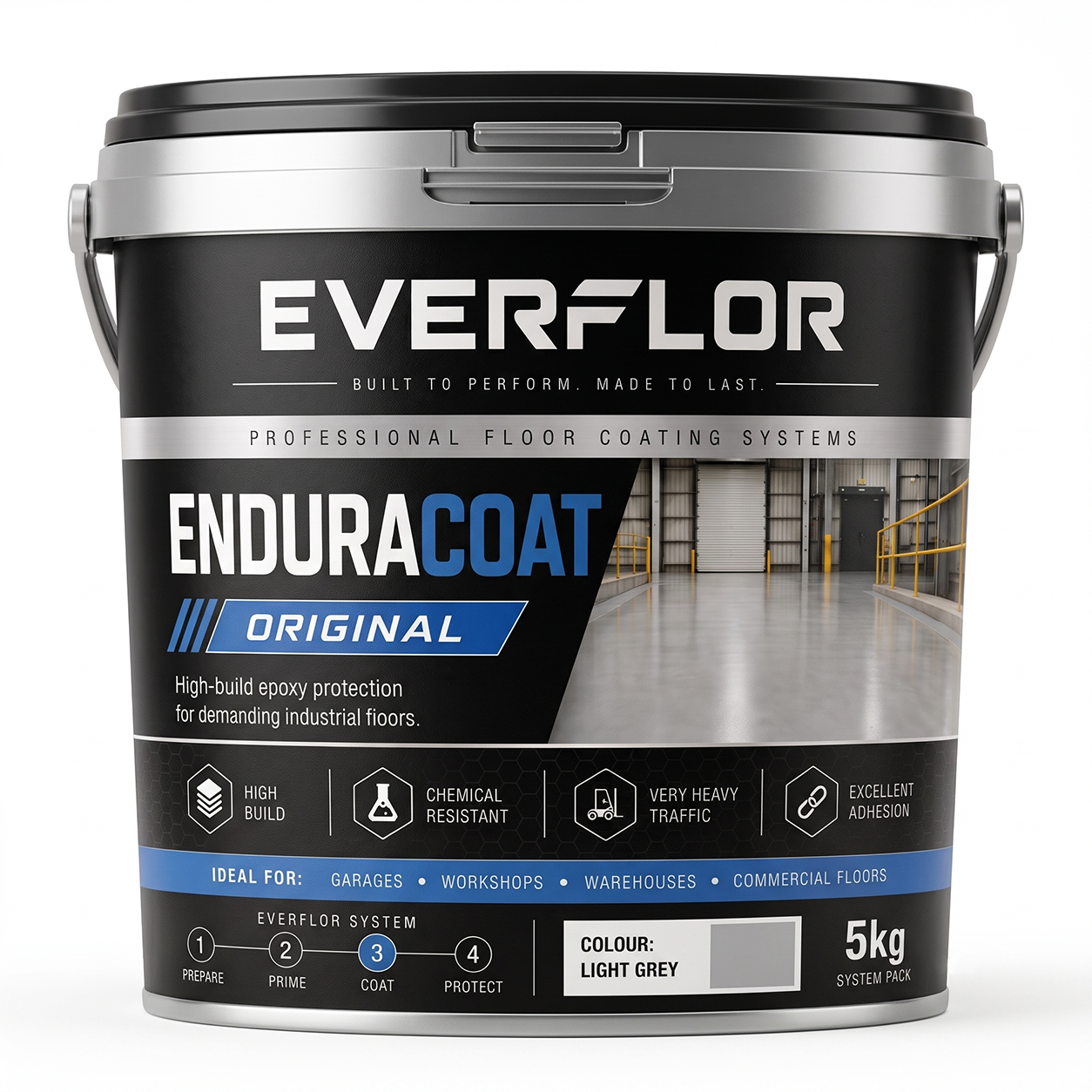
- Light Grey (RAL 7035)
- Signal White (RAL 9003)

Industrial grade coating

Solvent free, no shrinkage

Up to 5x thicker

Withstands heavy forklift traffic

Resists oil, acids, alkalis

Easy-clean surface
- Black (RAL 9005)
- Dark Grey (RAL 7016)
- Mid Grey (RAL 7001)
- Light Grey (RAL 7035)
- Signal White (RAL 9003)
Industrial grade coating
Solvent free, no shrinkage
Up to 5x thicker
Withstands heavy forklift traffic
Resists oil, acids, alkalis
Easy-clean surface
- Black (RAL 9005)
- Dark Grey (RAL 7016)
- Mid Grey (RAL 7001)
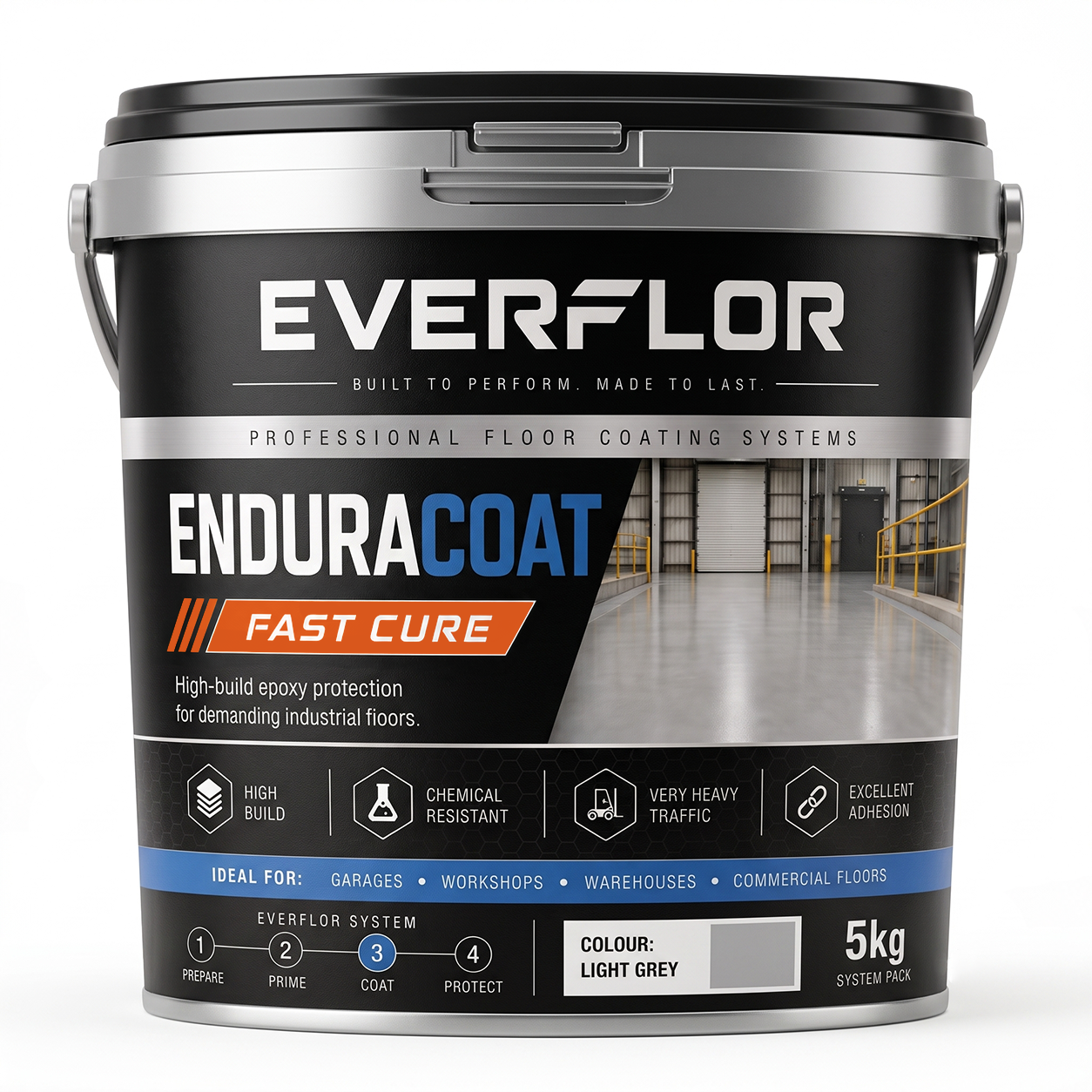
- Light Grey (RAL 7035)
- Signal White (RAL 9003)
Industrial grade coating
Solvent free, no shrinkage
Up to 5x thicker
Withstands heavy forklift traffic
Resists oil, acids, alkalis
Easy-clean surface
- Black (RAL 9005)
- Dark Grey (RAL 7016)
- Mid Grey (RAL 7001)
- Light Grey (RAL 7035)
- Signal White (RAL 9003)
Industrial grade coating
Solvent free, no shrinkage
Up to 5x thicker
Withstands heavy forklift traffic
Resists oil, acids, alkalis
Easy-clean surface
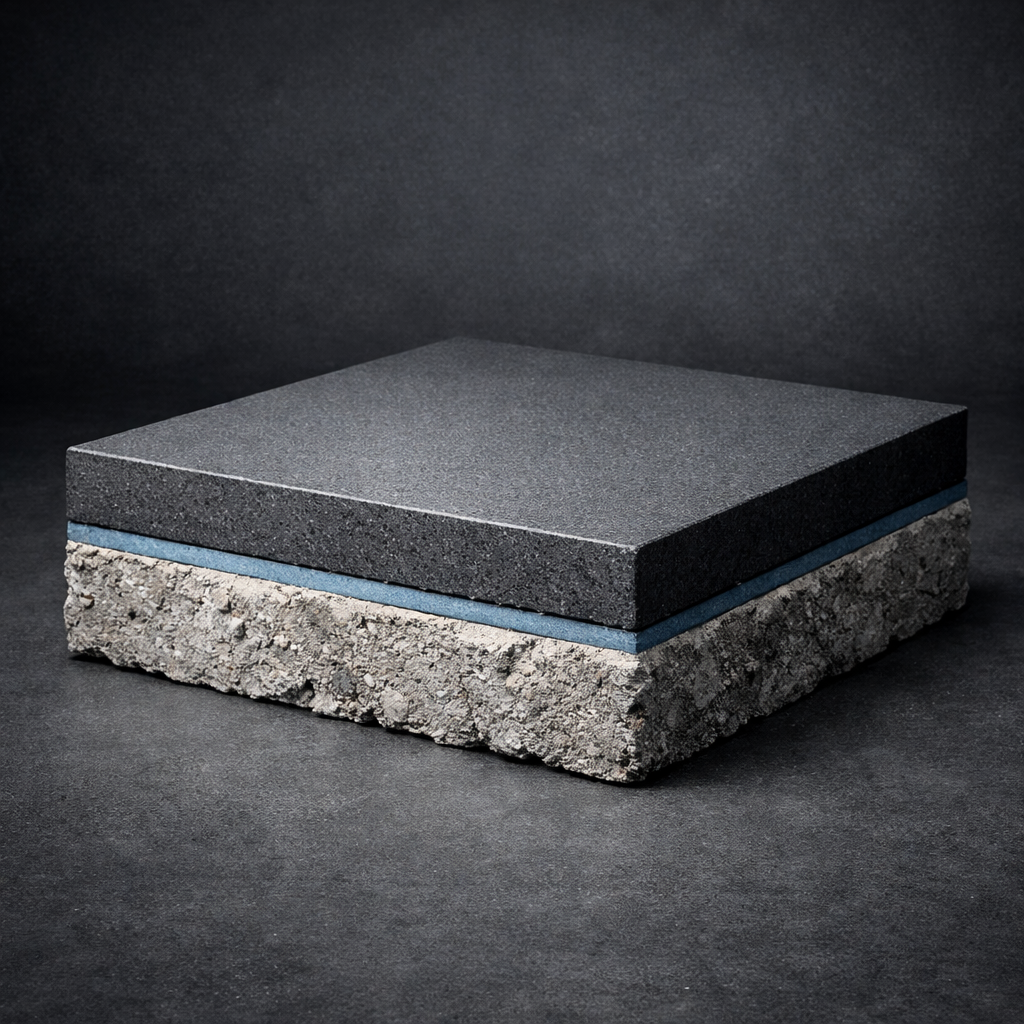
Forklift or Heavy Traffic?
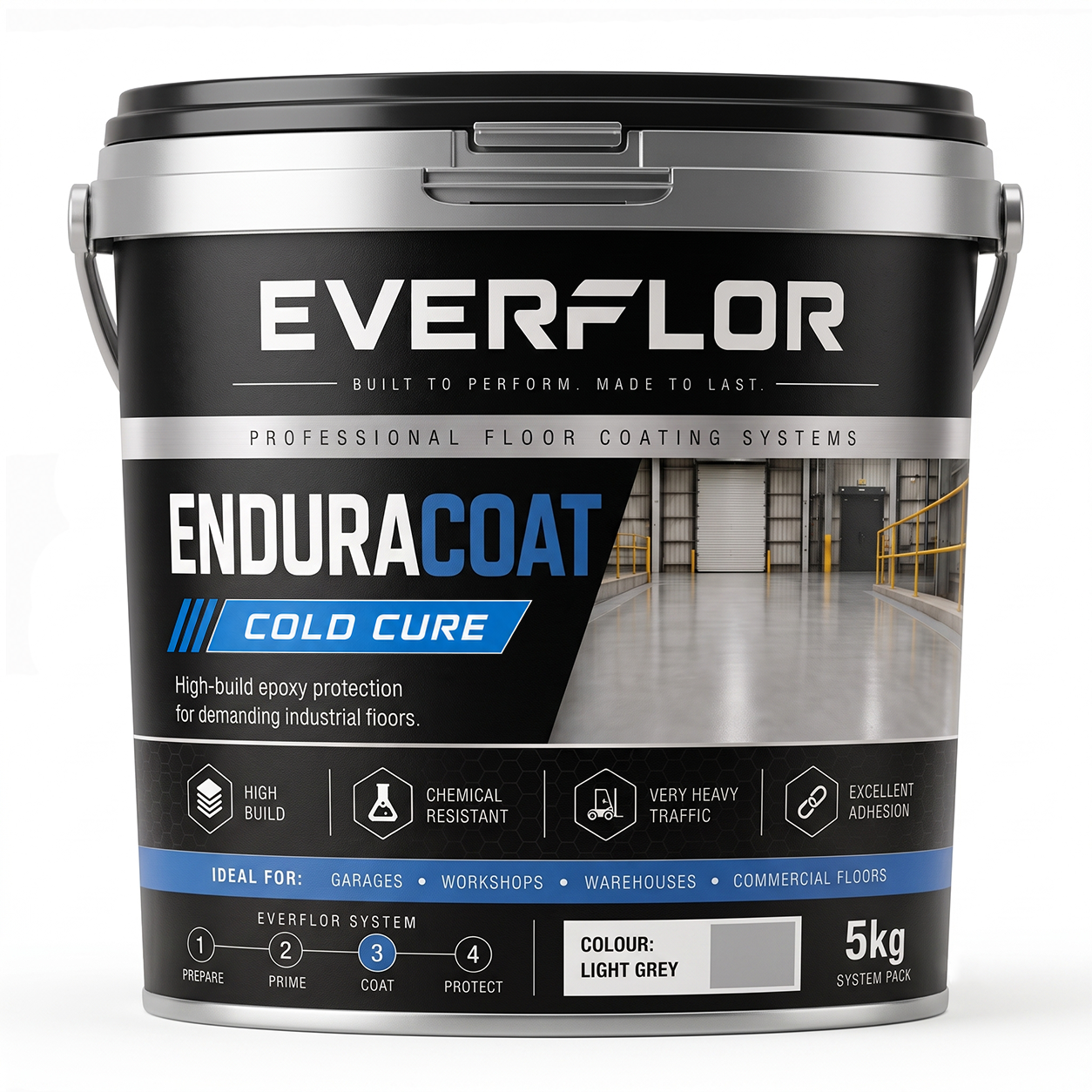
Step Up to a 2K Resin Floor System
- Black (RAL 9005)
- Dark Grey (RAL 7016)
- Mid Grey (RAL 7001)
- Light Grey (RAL 7035)
- Signal White (RAL 9003)
Industrial grade coating
Solvent free, no shrinkage
Up to 5x thicker
Withstands heavy forklift traffic
Resists oil, acids, alkalis
Easy-clean surface
- Black (RAL 9005)
- Dark Grey (RAL 7016)
- Mid Grey (RAL 7001)
- Light Grey (RAL 7035)
- Signal White (RAL 9003)
Industrial grade coating
Solvent free, no shrinkage
Up to 5x thicker
Withstands heavy forklift traffic
Resists oil, acids, alkalis
Easy-clean surface
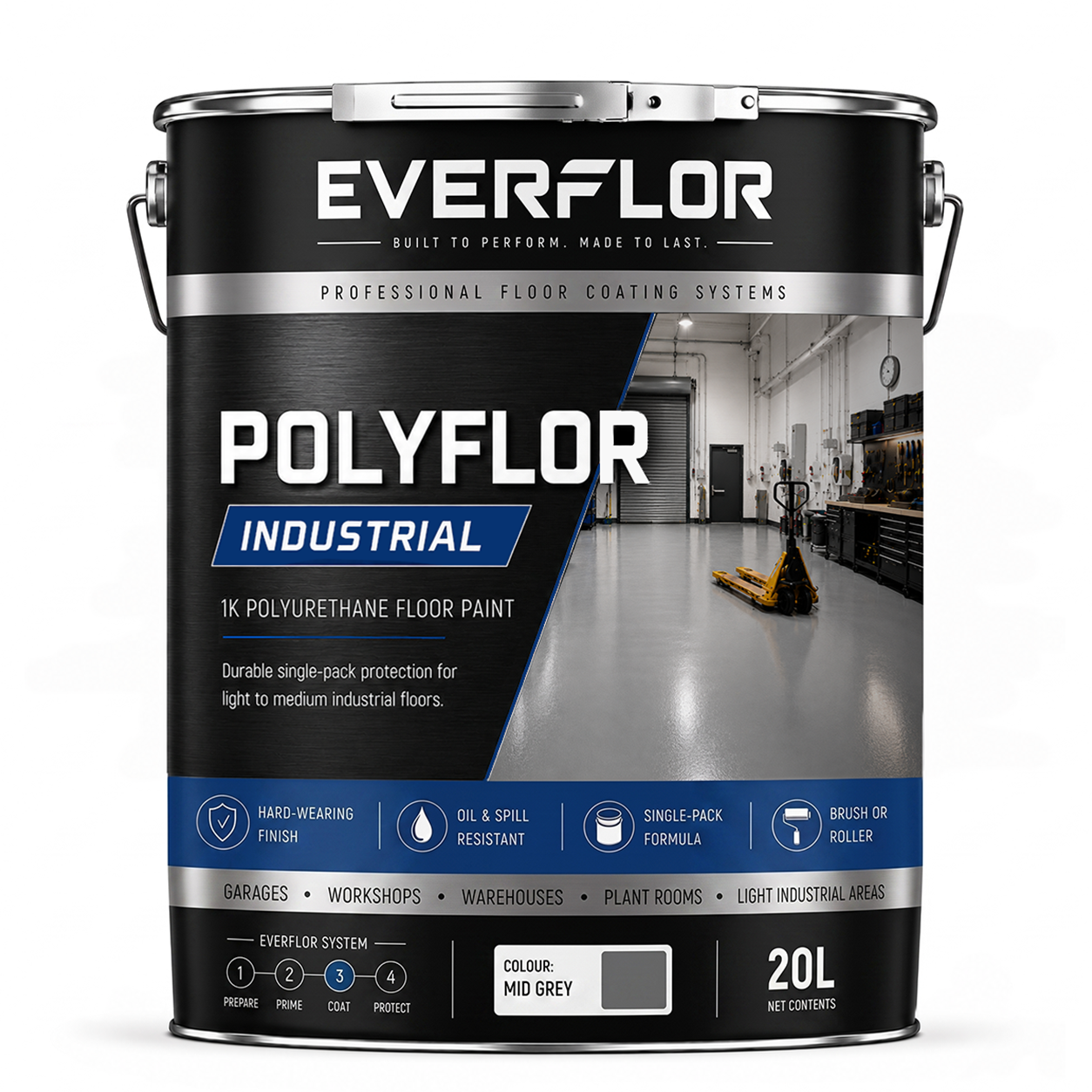
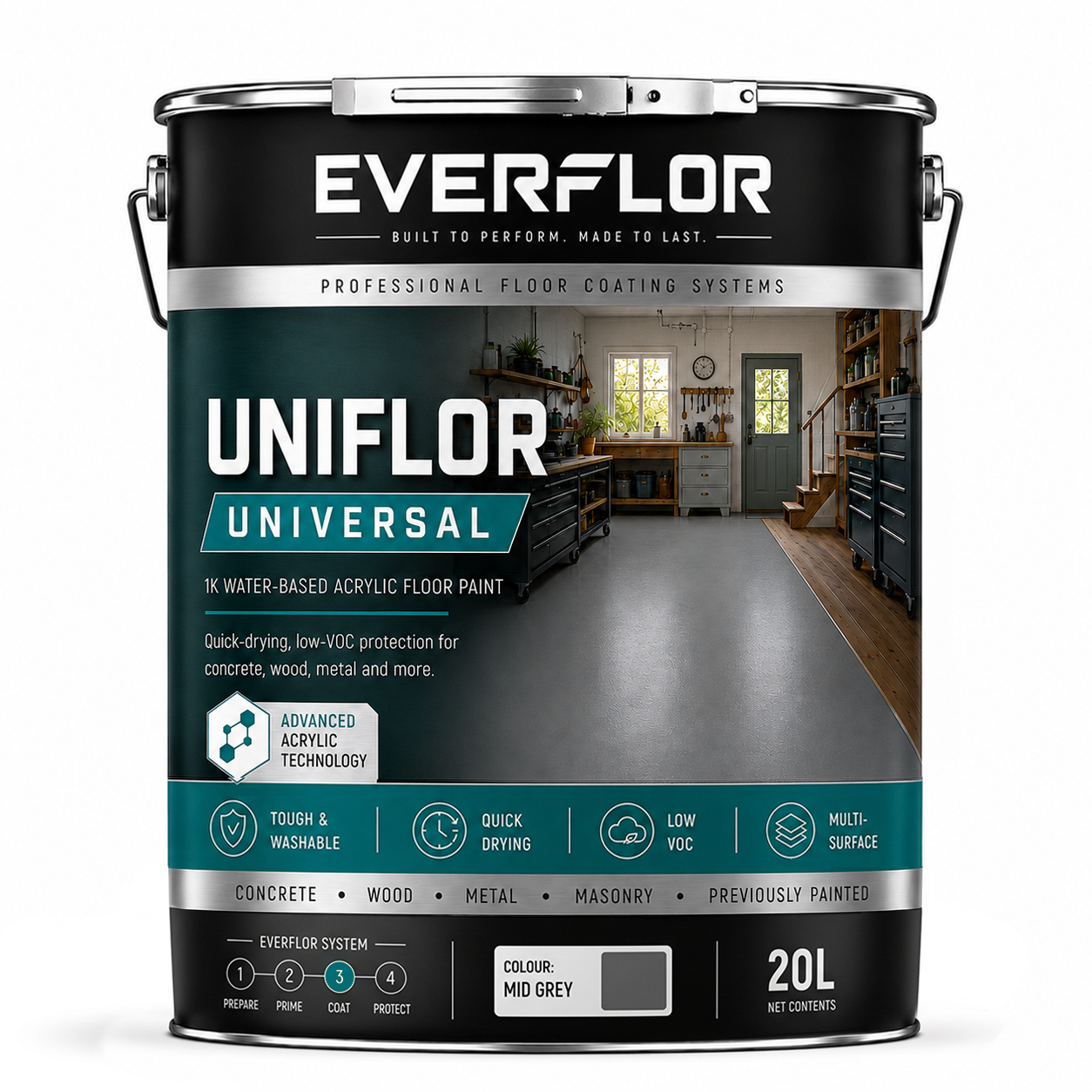
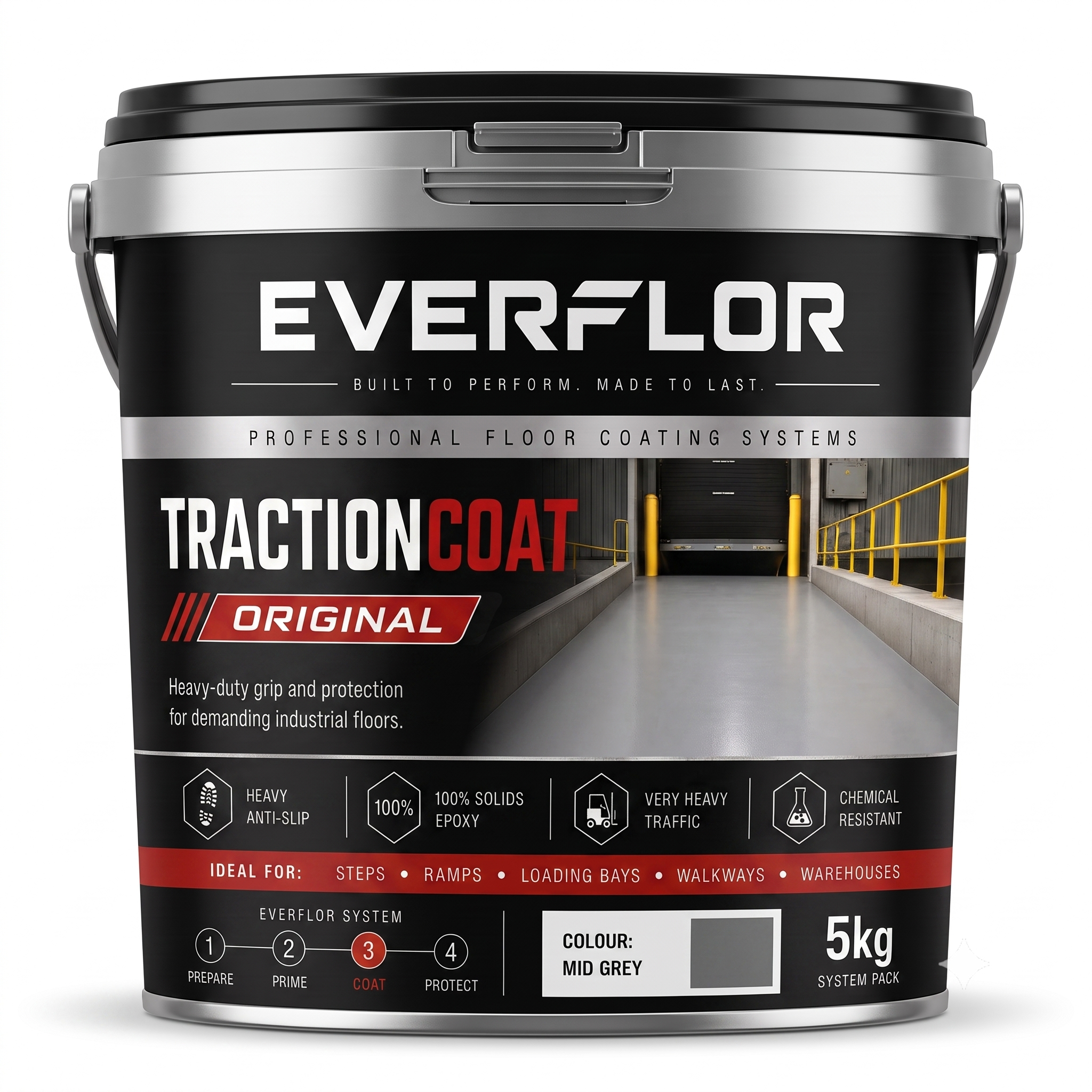
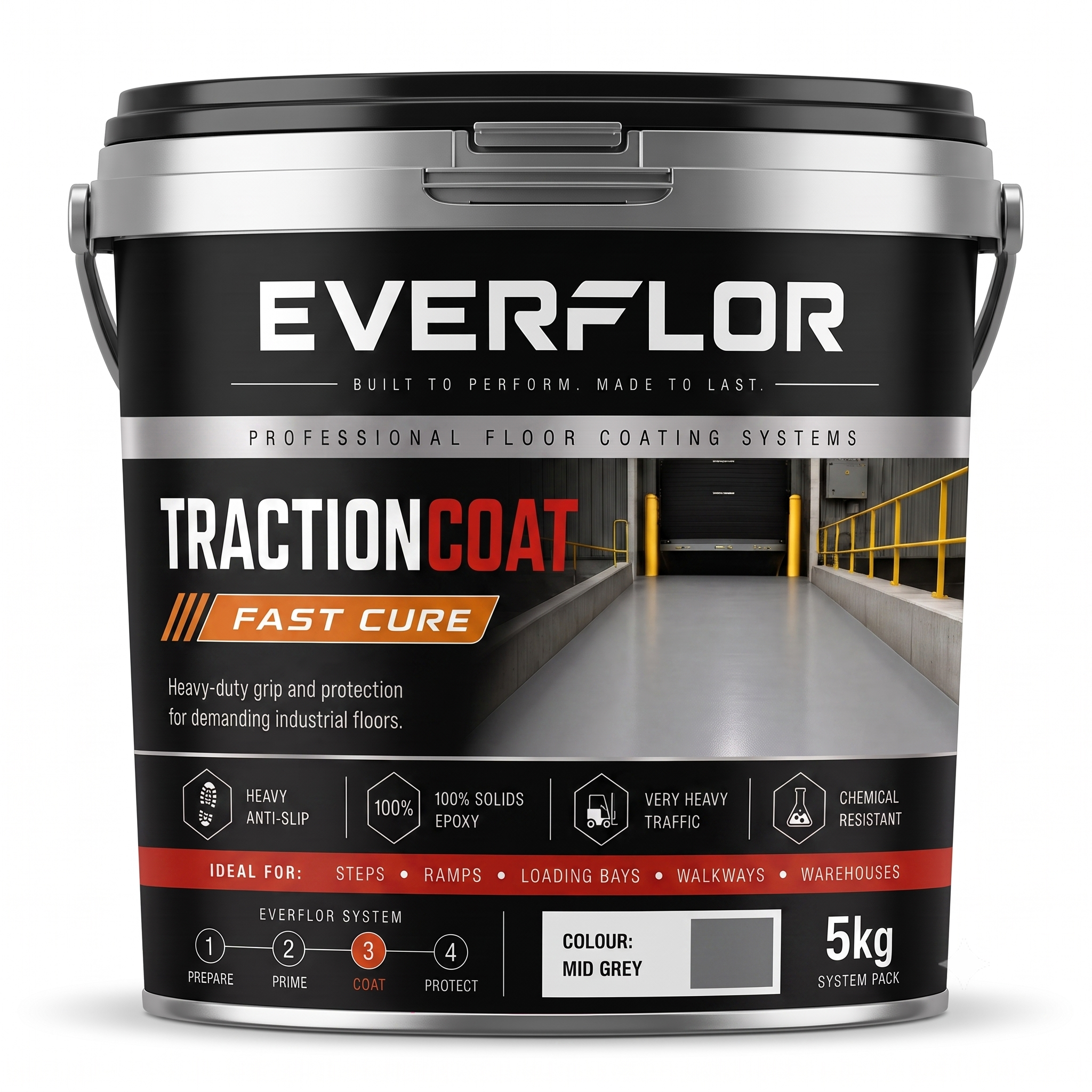
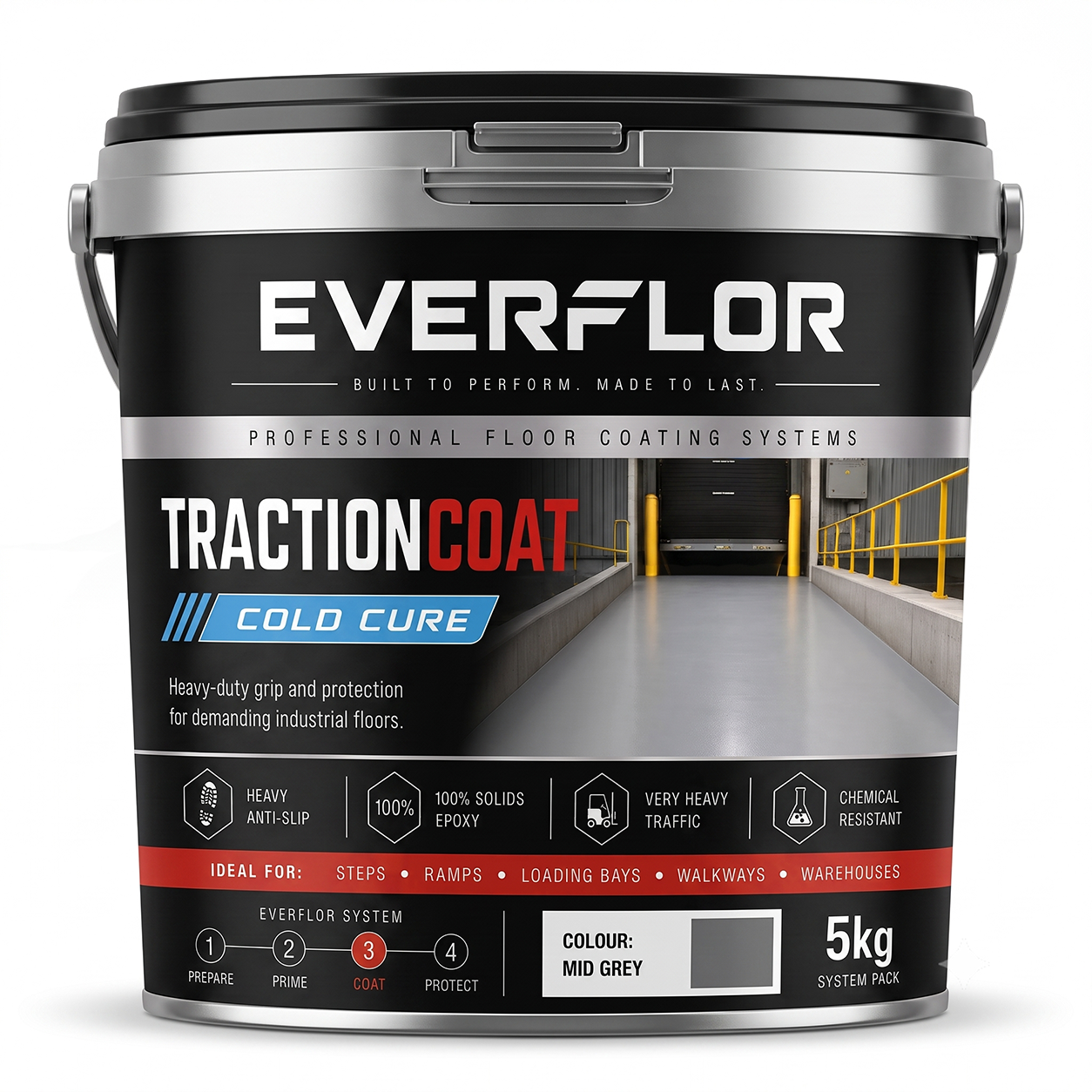
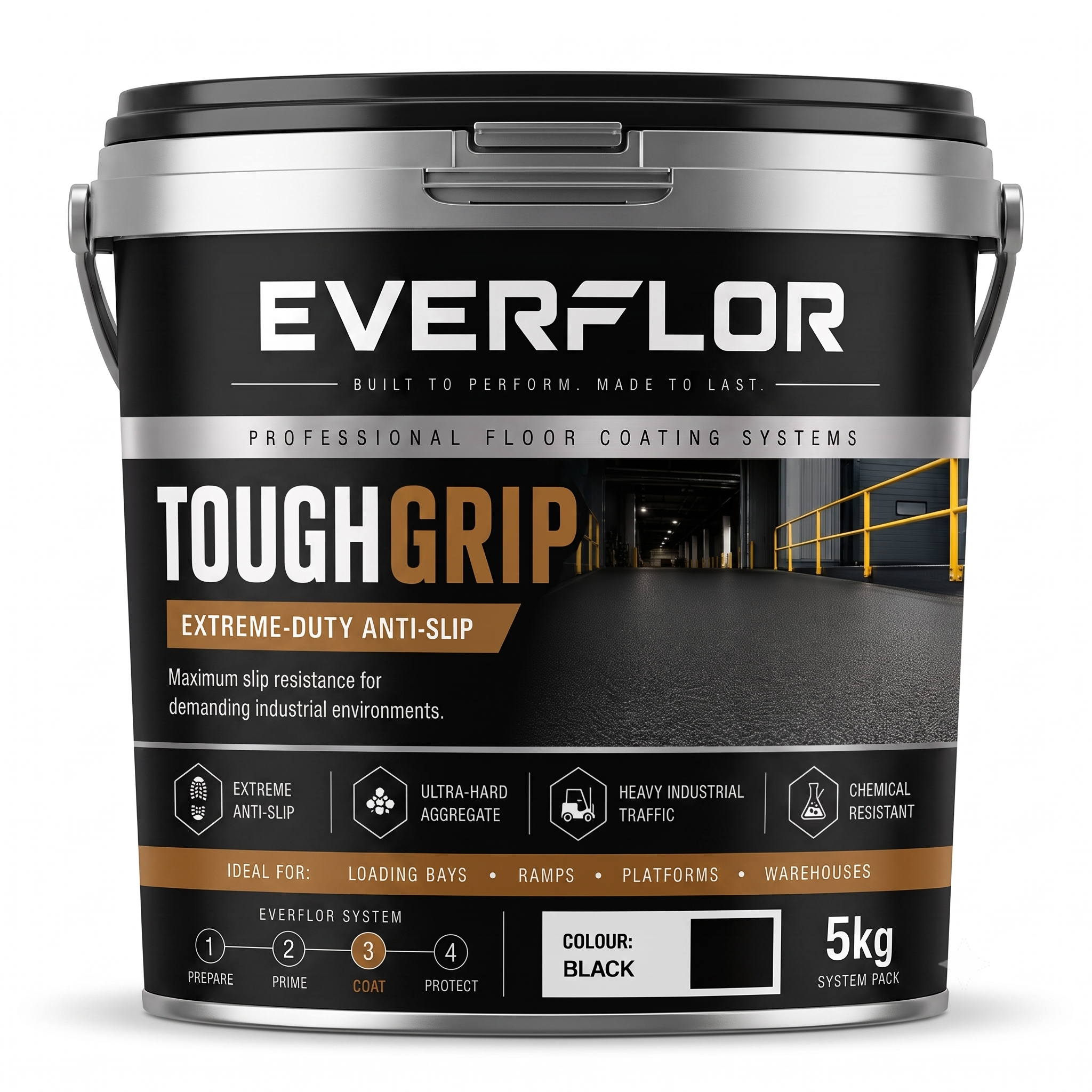
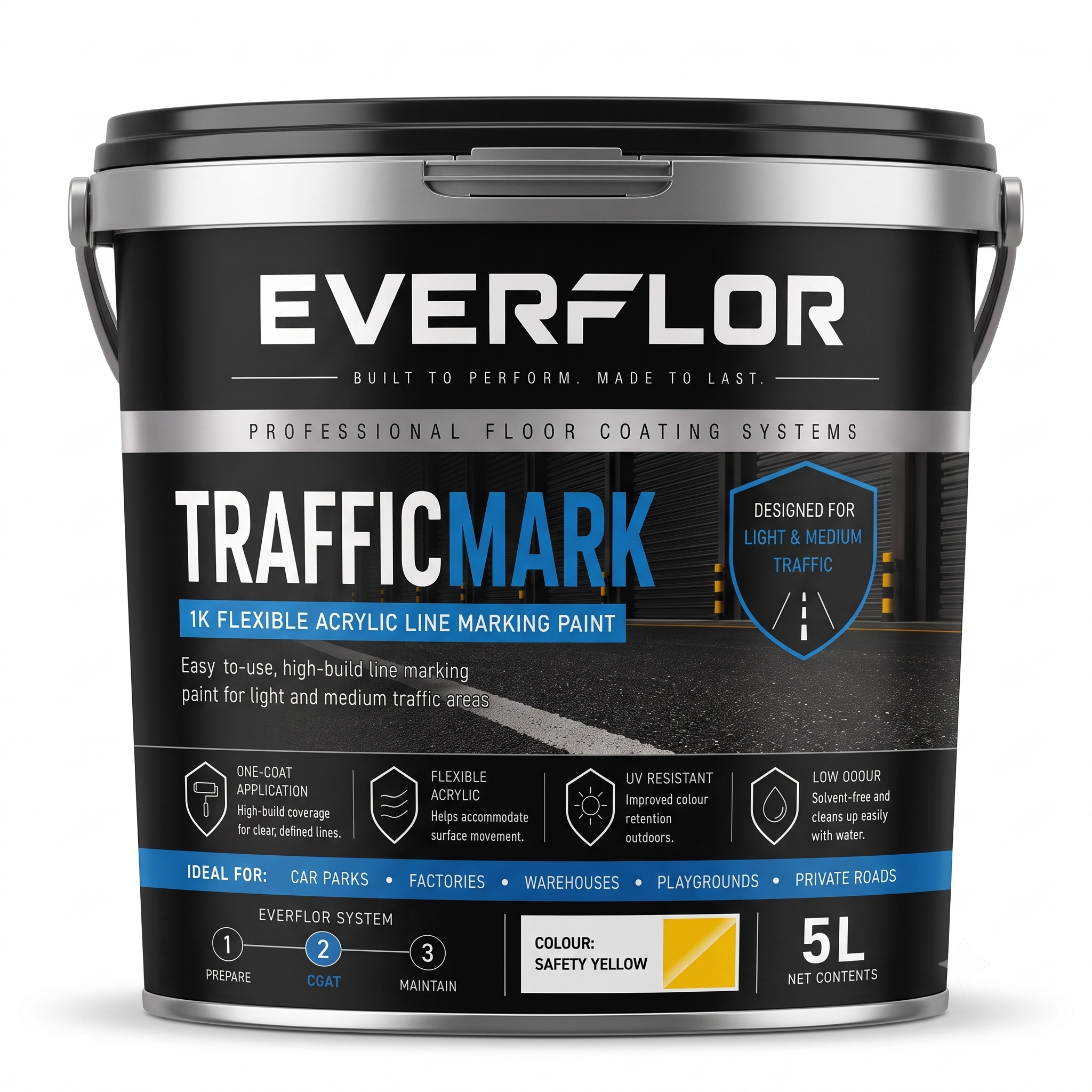
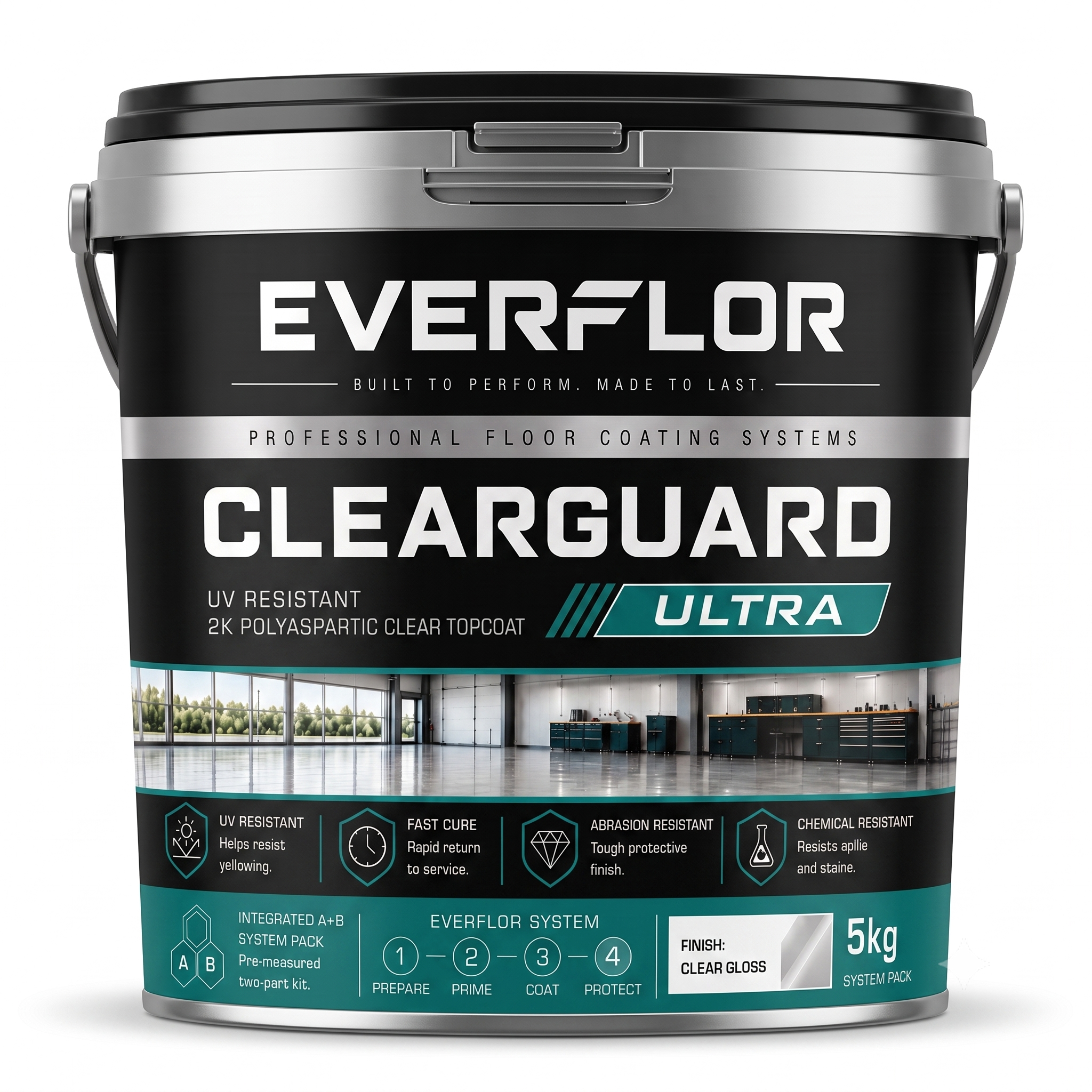
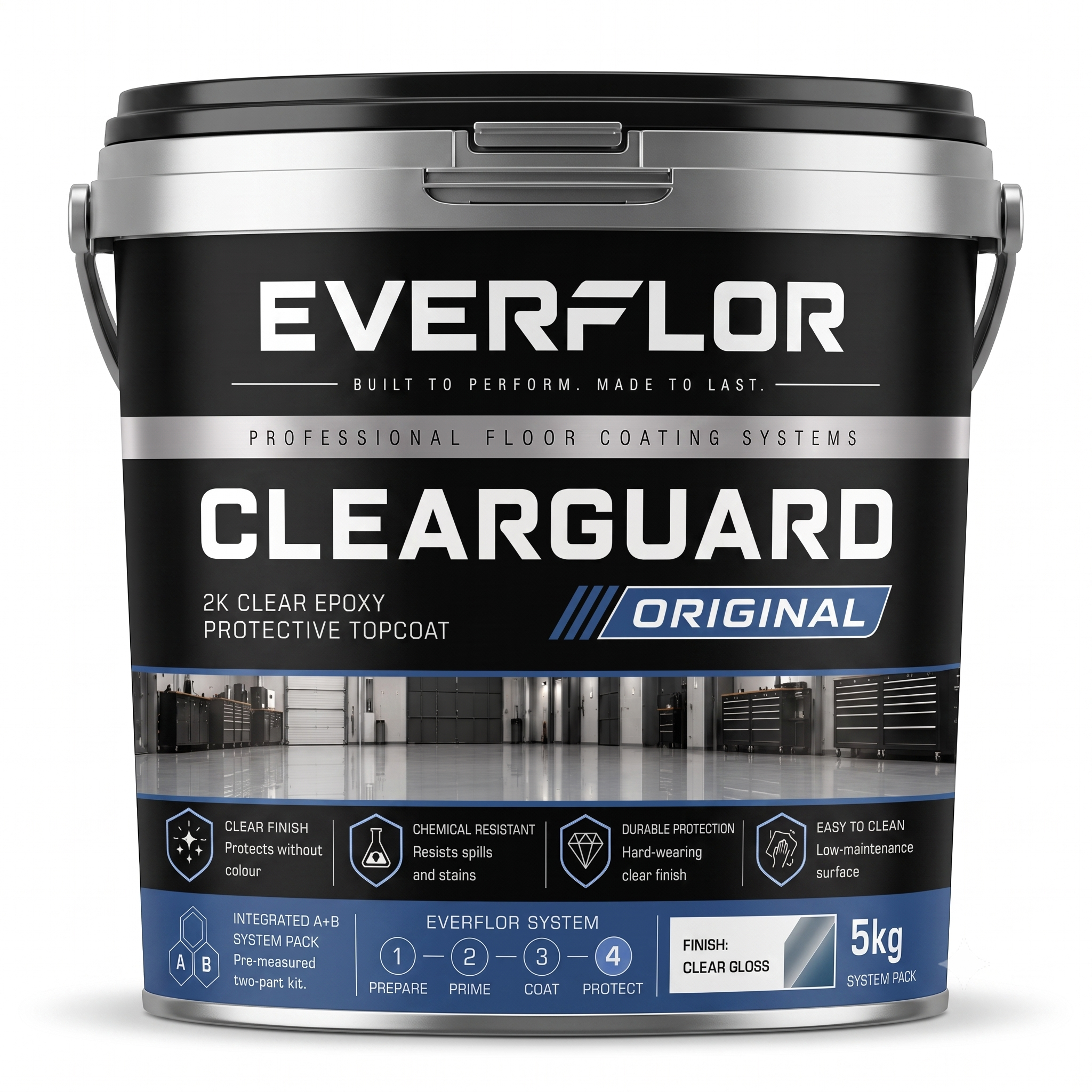
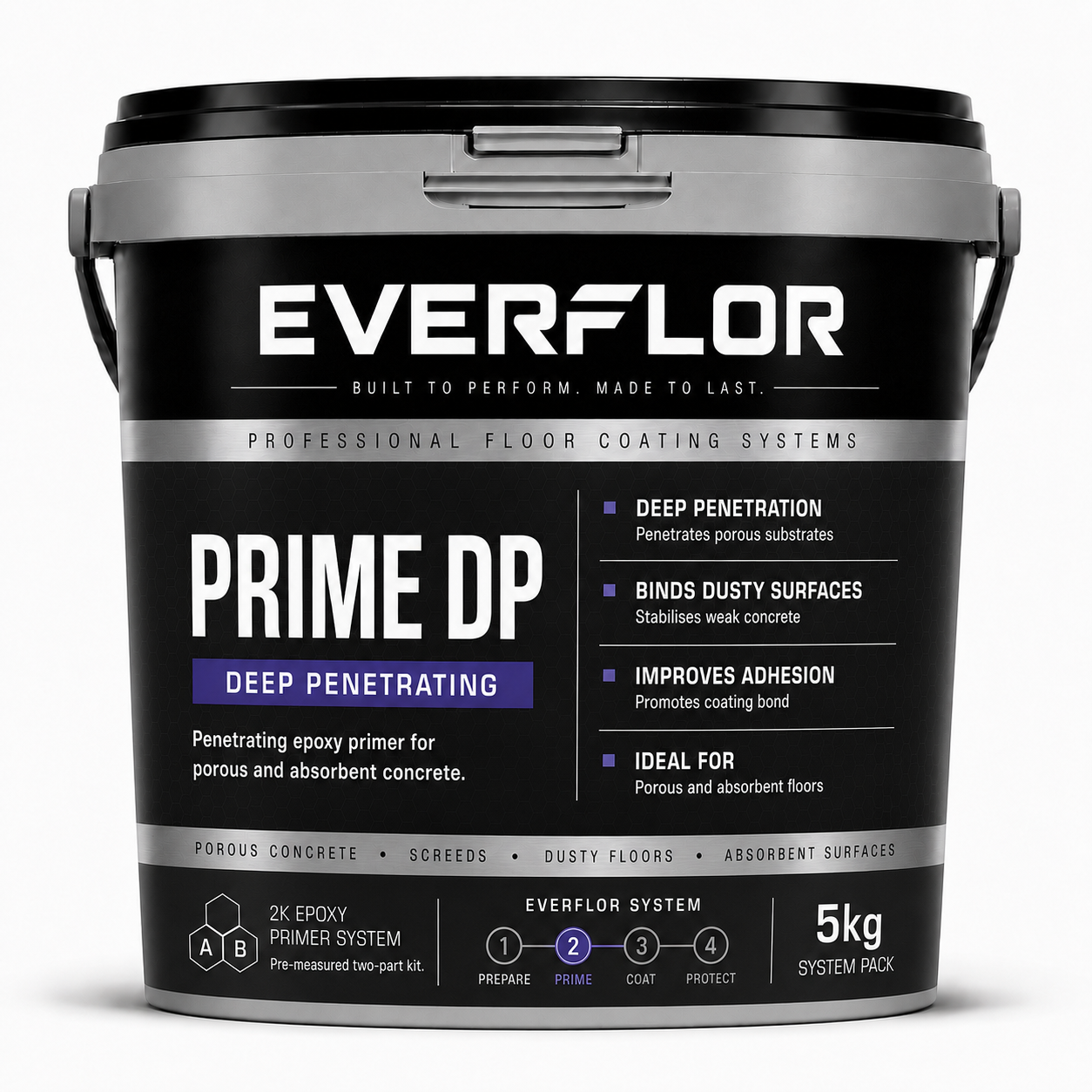
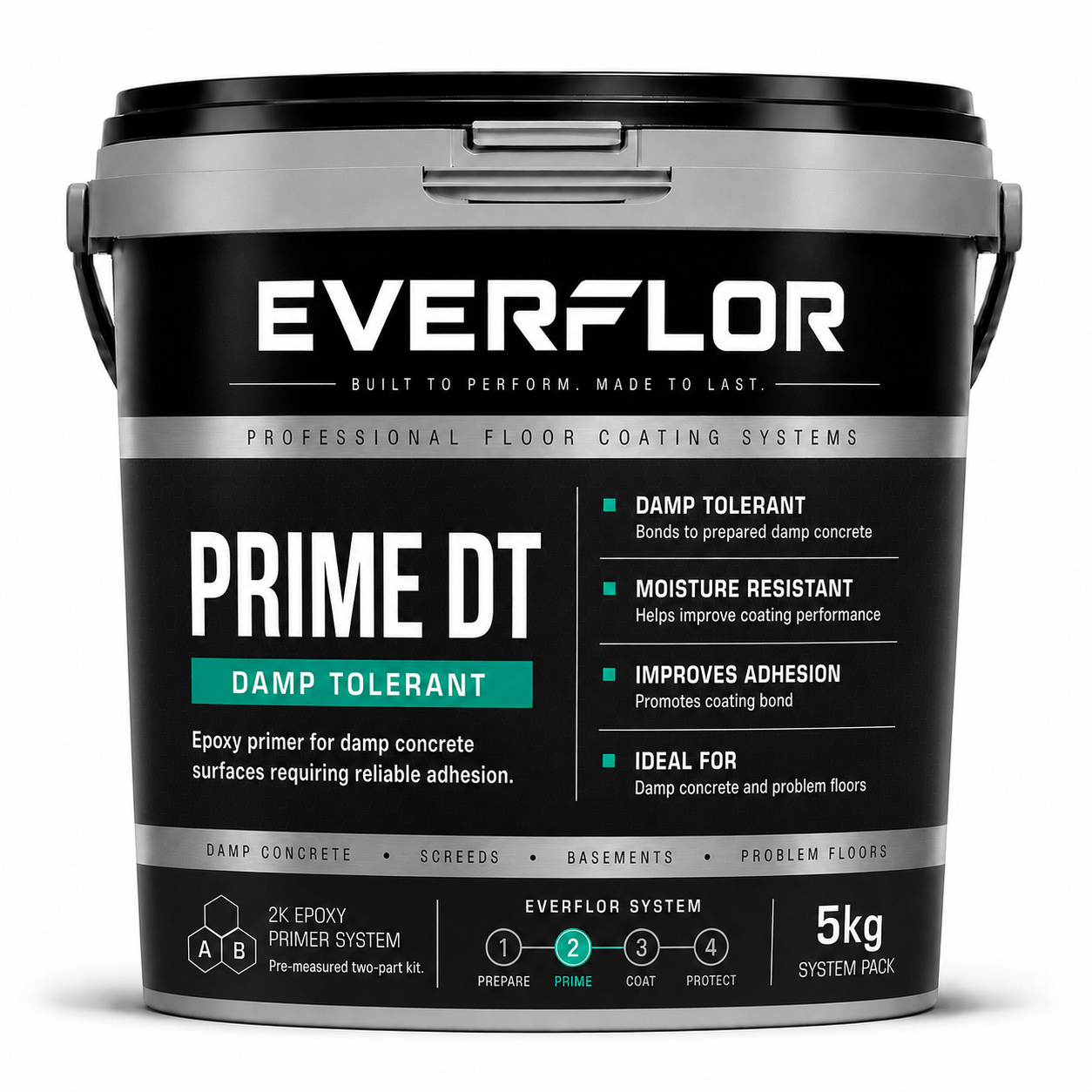
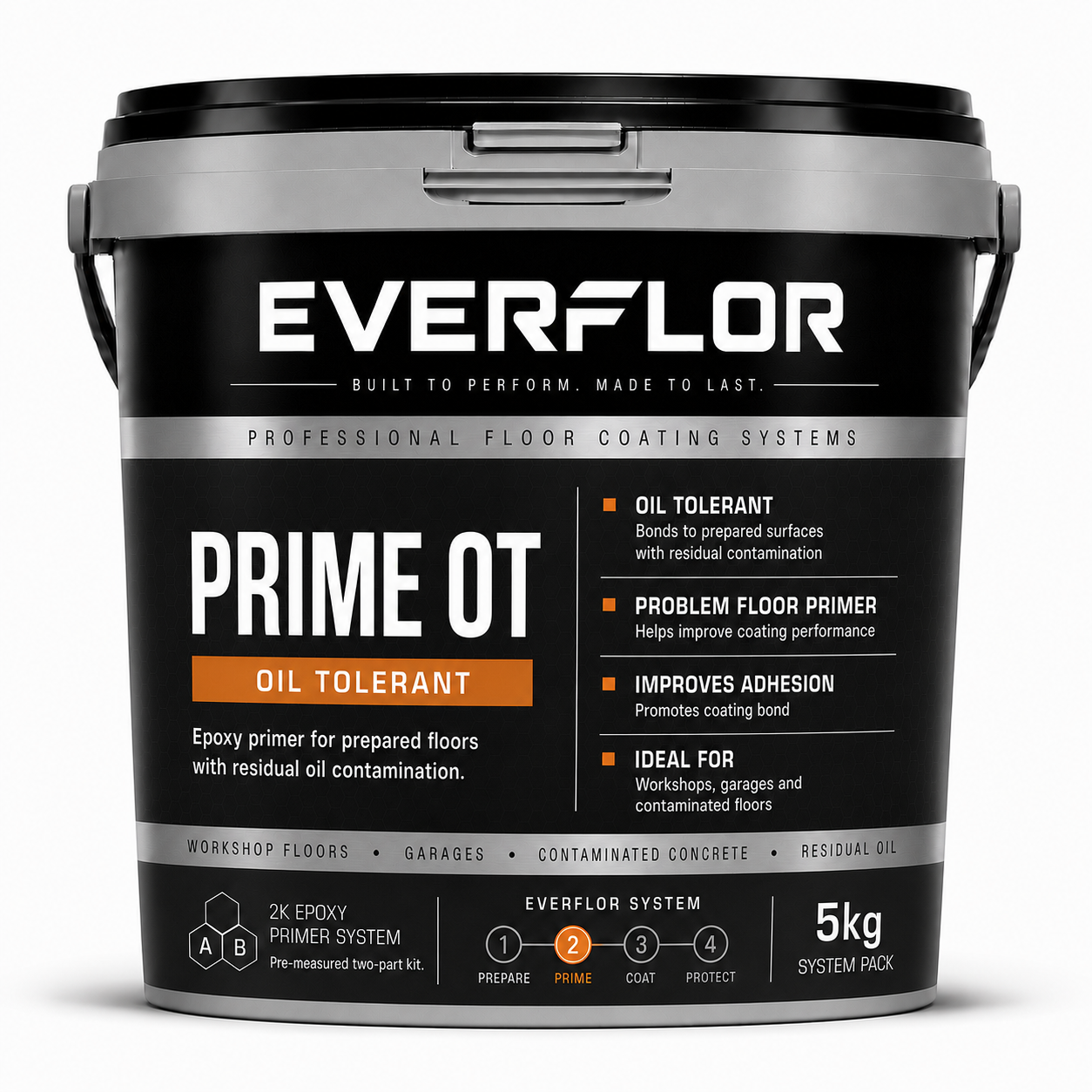
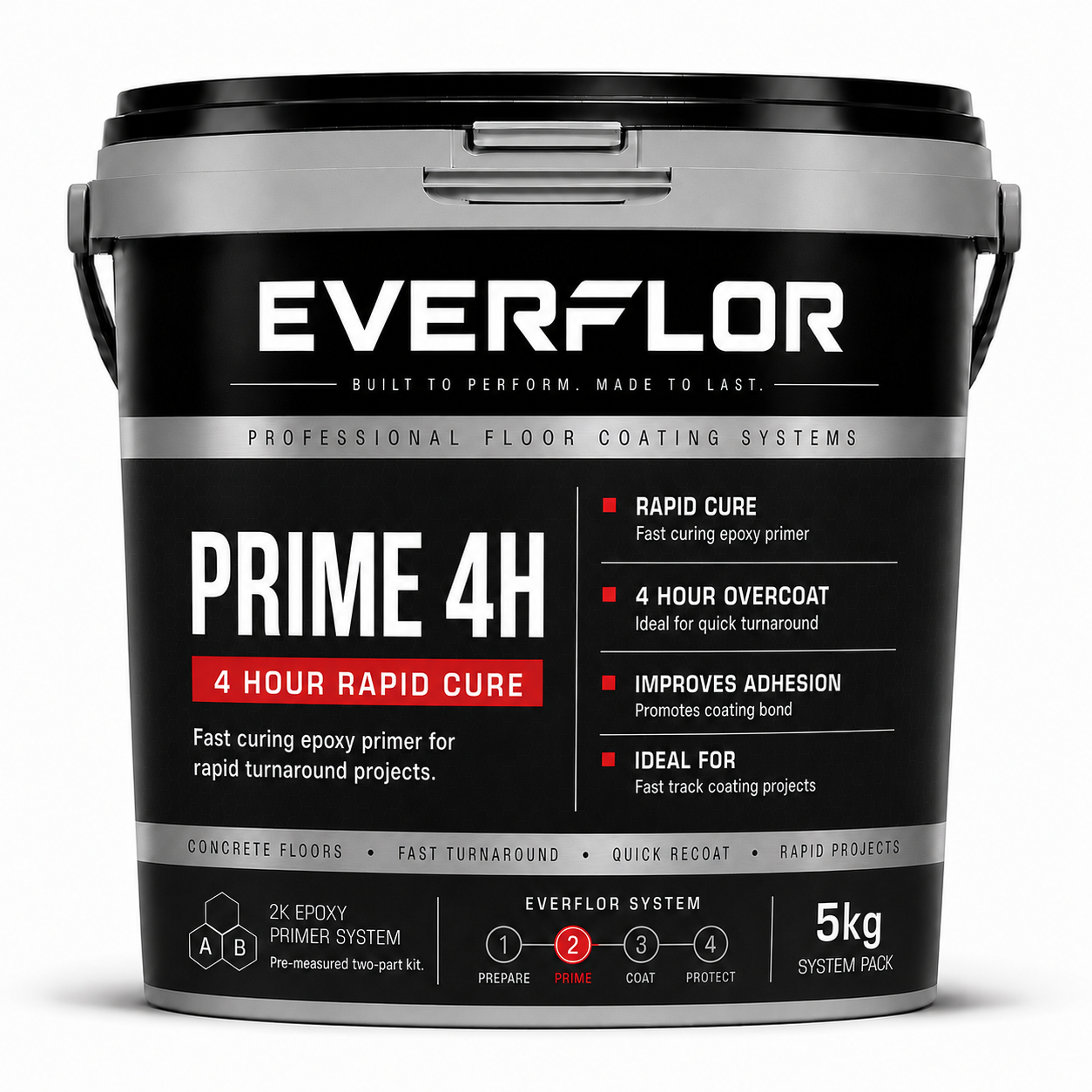
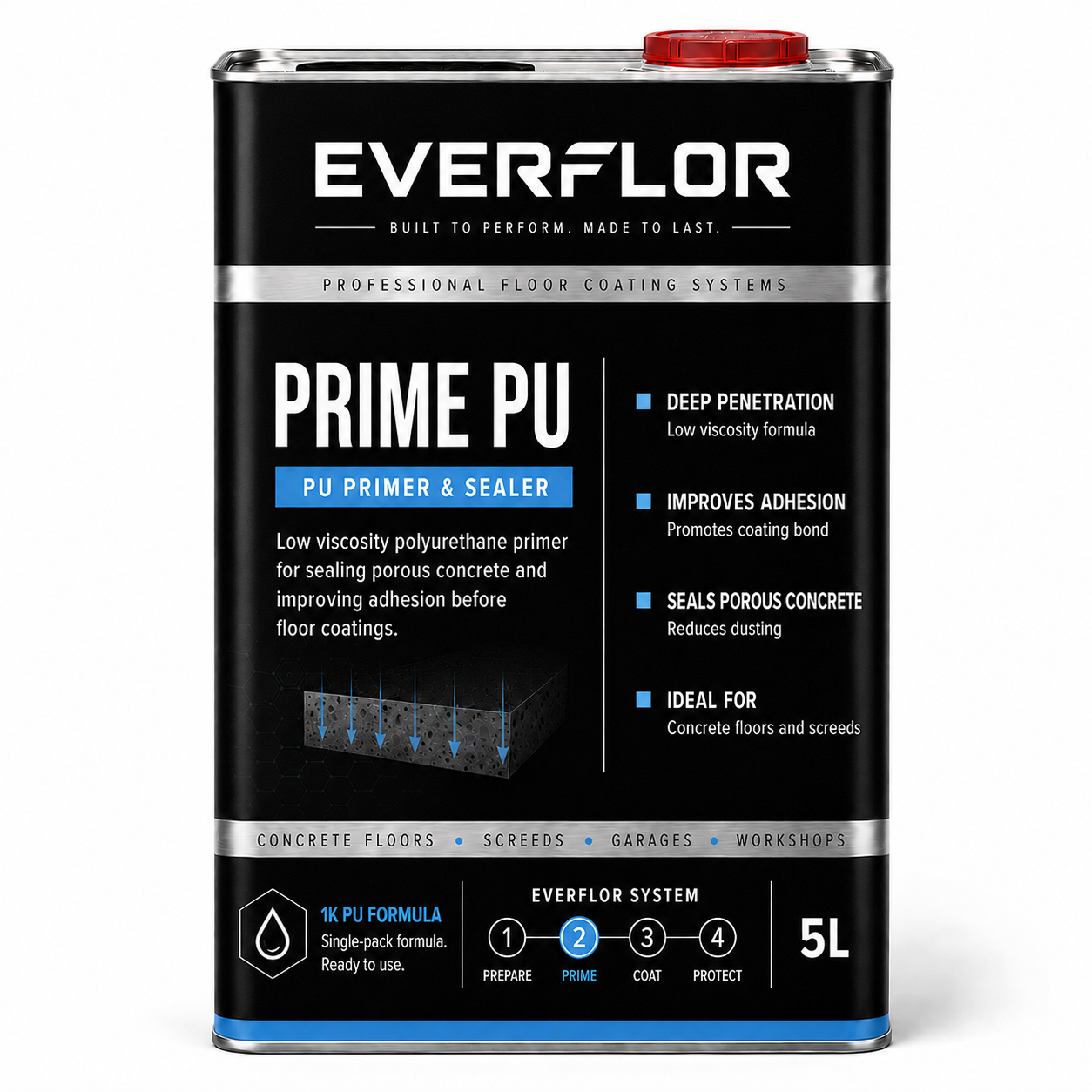
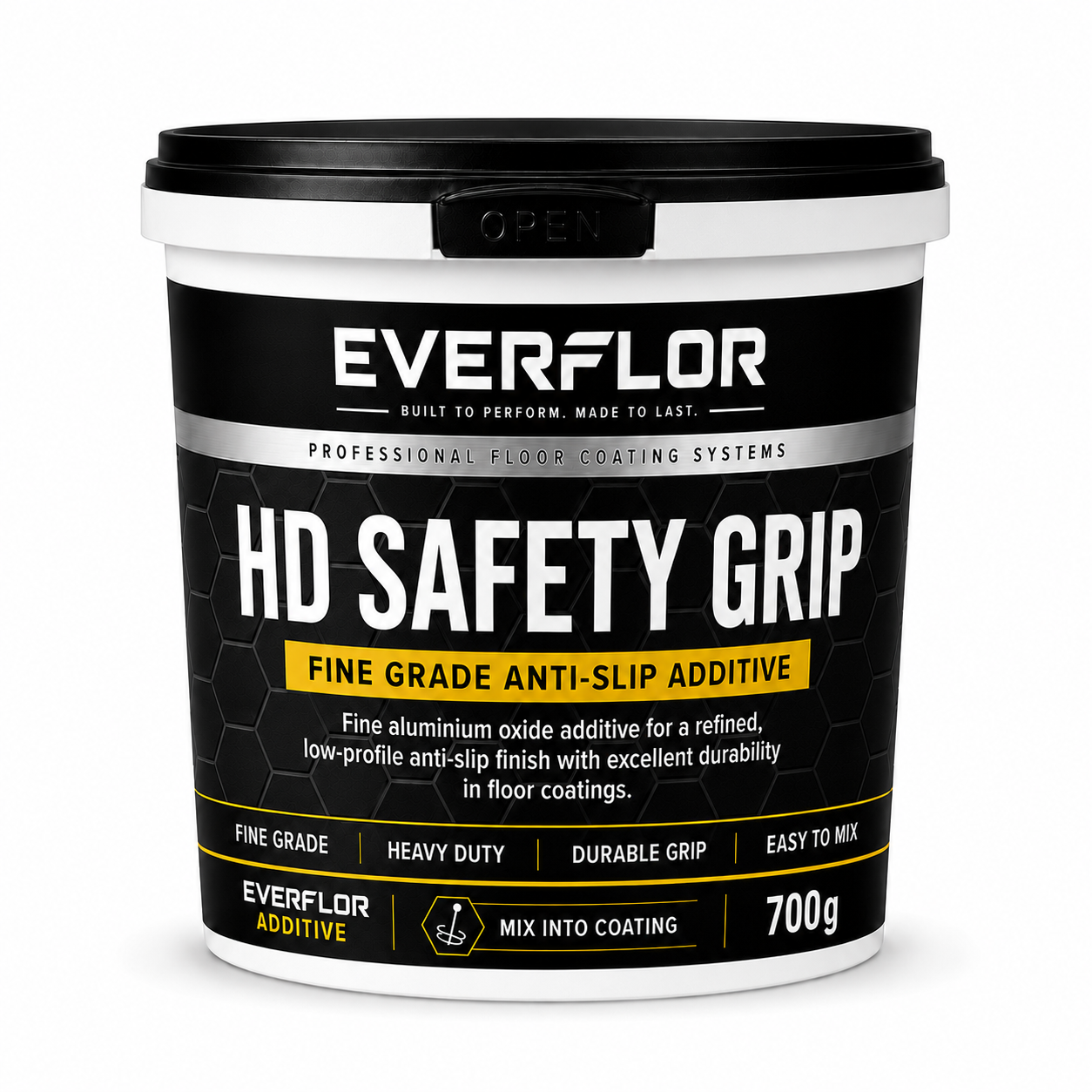
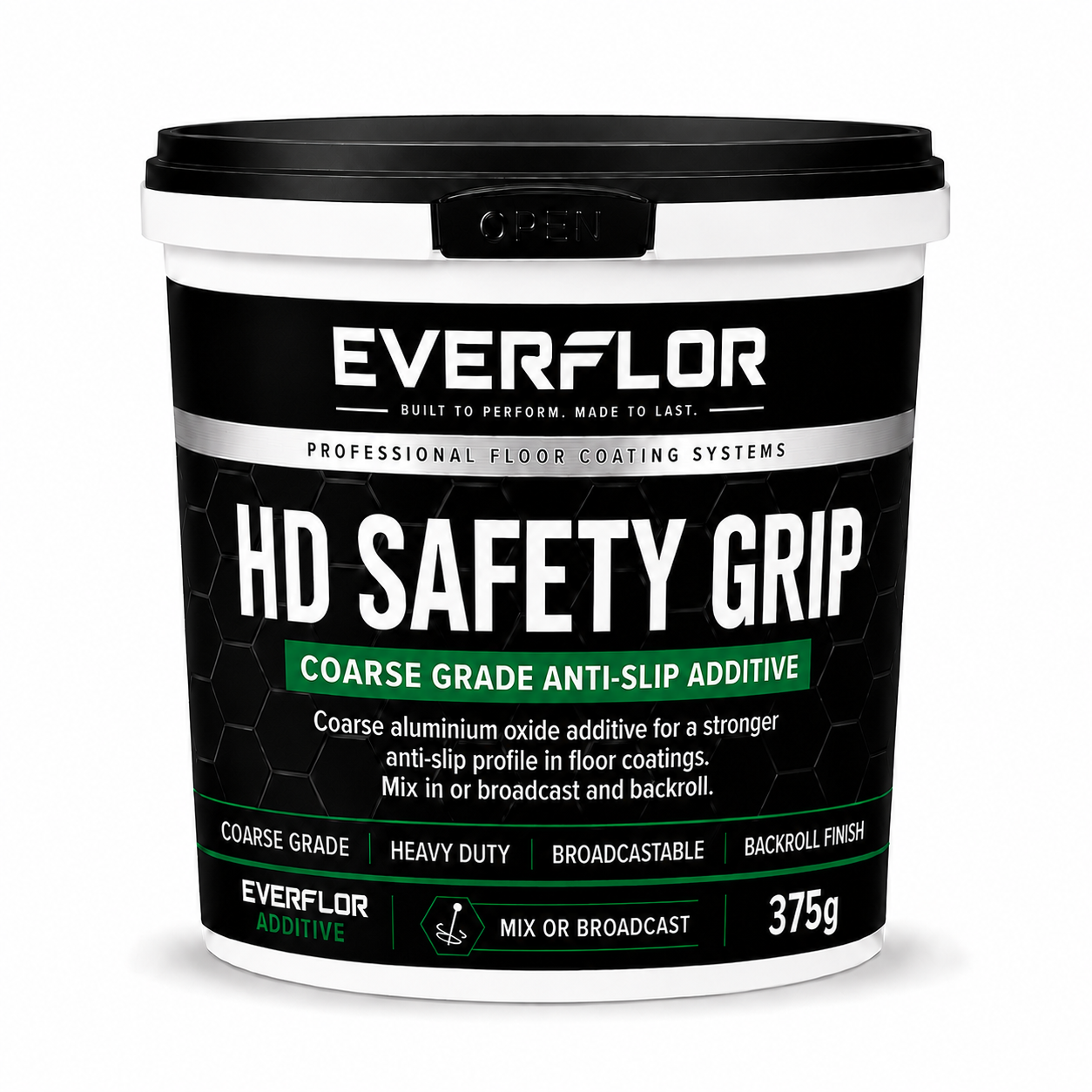
Similar Product Ranges
- Black (RAL 9005)
- Dark Grey (RAL 7016)
- Mid Grey (RAL 7001)
- Light Grey (RAL 7035)
- Signal White (RAL 9003)
Industrial grade coating
Solvent free, no shrinkage
Up to 5x thicker
Withstands heavy forklift traffic
Resists oil, acids, alkalis
Easy-clean surface
- Black (RAL 9005)
- Dark Grey (RAL 7016)
- Mid Grey (RAL 7001)
- Light Grey (RAL 7035)
- Signal White (RAL 9003)
Industrial grade coating
Solvent free, no shrinkage
Up to 5x thicker
Withstands heavy forklift traffic
Resists oil, acids, alkalis
Easy-clean surface
- Black (RAL 9005)
- Dark Grey (RAL 7016)
- Mid Grey (RAL 7001)
- Light Grey (RAL 7035)
- Signal White (RAL 9003)
Industrial grade coating
Solvent free, no shrinkage
Up to 5x thicker
Withstands heavy forklift traffic
Resists oil, acids, alkalis
Easy-clean surface
- Black (RAL 9005)
- Dark Grey (RAL 7016)
- Mid Grey (RAL 7001)
- Light Grey (RAL 7035)
- Signal White (RAL 9003)
Industrial grade coating
Solvent free, no shrinkage
Up to 5x thicker
Withstands heavy forklift traffic
Resists oil, acids, alkalis
Easy-clean surface
- Black (RAL 9005)
- Dark Grey (RAL 7016)
- Mid Grey (RAL 7001)
- Light Grey (RAL 7035)
- Signal White (RAL 9003)
Industrial grade coating
Solvent free, no shrinkage
Up to 5x thicker
Withstands heavy forklift traffic
Resists oil, acids, alkalis
Easy-clean surface
- Black (RAL 9005)
- Dark Grey (RAL 7016)
- Mid Grey (RAL 7001)
- Light Grey (RAL 7035)
- Signal White (RAL 9003)
Industrial grade coating
Solvent free, no shrinkage
Up to 5x thicker
Withstands heavy forklift traffic
Resists oil, acids, alkalis
Easy-clean surface
Warehouses & Factory Paints FAQs
Technical Guidance & Application Advice
What preparation is required before applying warehouse or factory floor paint to concrete?
Can warehouse floor coatings be applied over previously painted floors?
Which coating technology is most suitable for heavy traffic warehouse floors?
Are acrylic floor paints suitable for warehouse and factory environments?
How do polyaspartic floor coatings benefit busy warehouse or production areas?
What factors affect the durability of factory floor coatings under vehicle traffic?
Expert Advice & Guides
A few of our most recent guides applicable to this product range.