System Overview
This department covers coatings for the fabric of a building above the floor. That means walls inside and out, cladding sheets and roof tiles. No products are listed on the department page itself. Its job is to route each job to the right range.
The ranges are arranged in three lists. By Surface / Area starts from the part of the building being coated. By Building Type starts from the kind of site. By Coating Type starts from the stage of the system or the finish required.
The lists overlap by design. A barn can be approached through Barn Paints or through Agricultural Building Paints. A brick wall can be approached through Masonry Paints or through a finish such as Smooth Finish Paints.
Resin types across the department are acrylic, oil-based, polyurethane and epoxy. Water-based acrylic appears in the masonry, interior wall and cladding ranges. Oil-based finishes appear in the cladding, roofing and gloss ranges.
Suitable Substrates & Surface Preparation
The surfaces named across these ranges are render, brick, blockwork, plaster, concrete roof tiles, steel cladding and fibre cement sheets. Previously painted surfaces are named in many of the descriptions.
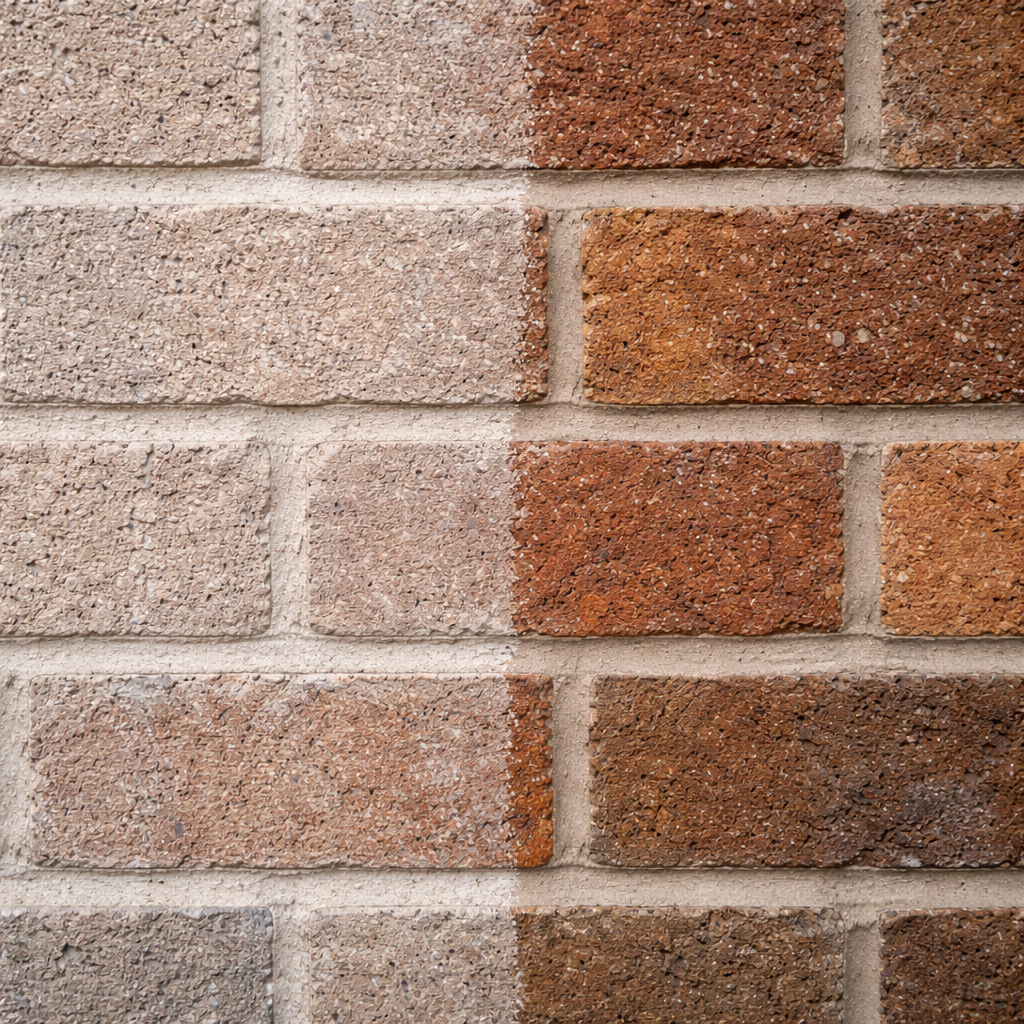
Mineral walls have two main entry points. Exterior Walls is written for render, brick and blockwork. Masonry Paints is written for brick and other mineral surfaces exposed to weathering.
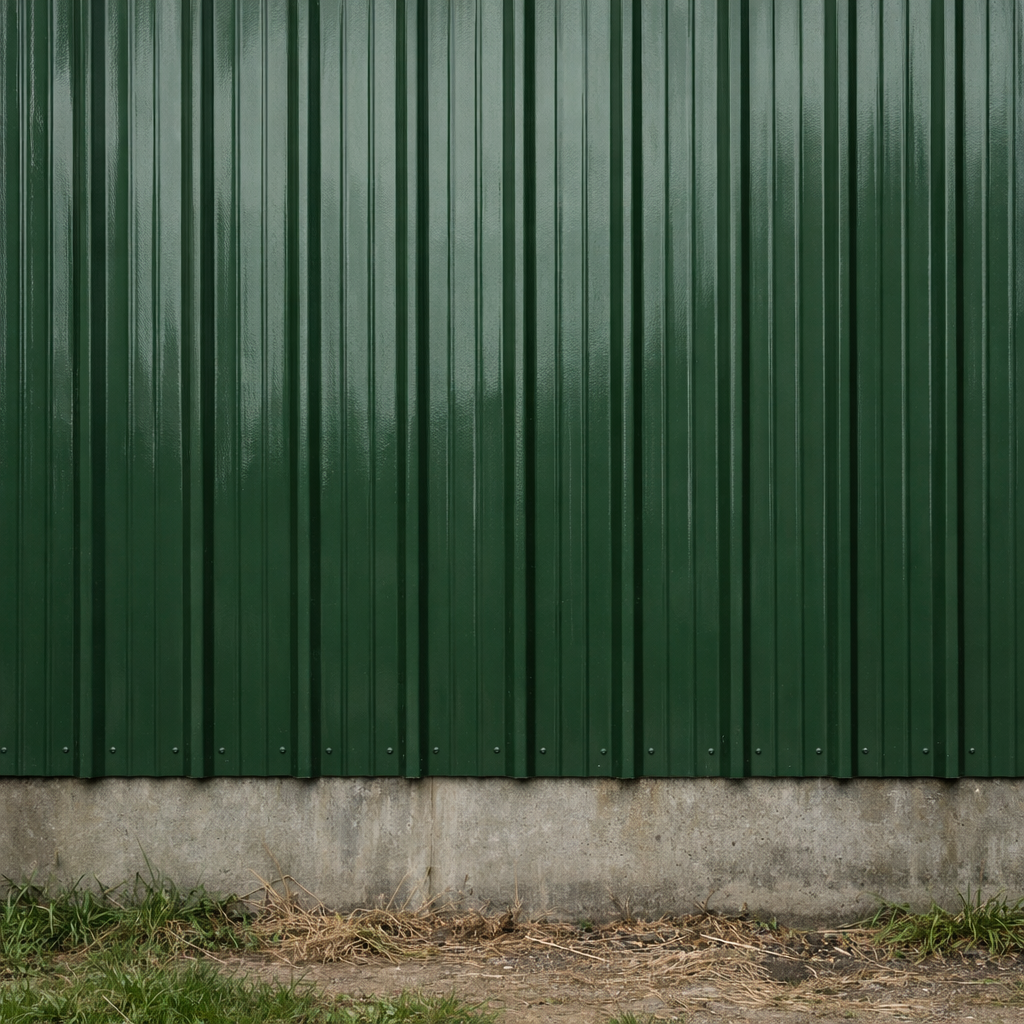
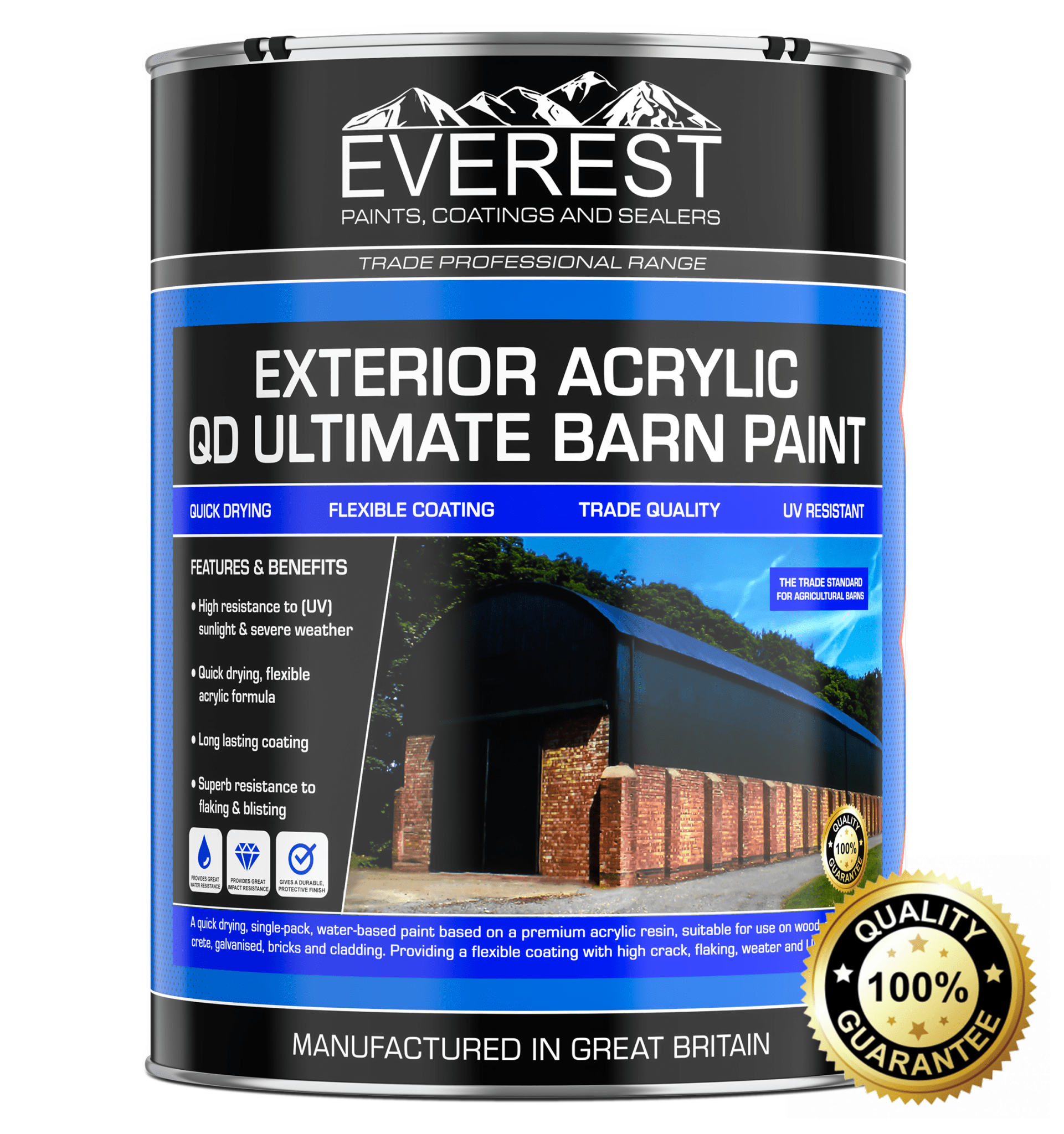
Sheet cladding is treated separately. Cladding Paints covers prepared steel cladding, fibre cement sheets and aged plastisol. Barn Paints covers steel and fibre cement cladding on agricultural buildings.
Preparation follows normal trade practice. The surface should be clean, sound and dry before coating. Loose or flaking paint should come off back to a firm edge. Porous or friable masonry should be treated from the Primers, Sealers & Stabilisers range before any finish.
Performance Characteristics & Limitations
Performance is stated range by range, and the wording differs by surface. The mineral wall ranges are described as breathable. The cladding ranges are described in terms of colour retention and gloss. The roofing range is described in terms of water shedding and UV protection.
Those differences are the reason to choose by range and not by colour alone. A coating described for brick is built around moisture vapour passing through the film. A coating described for steel cladding is built around holding colour and sheen on sheet material.
The limits are stated as plainly. This department does not cover floors as a subject, although some building type ranges include floor coatings. It does not cover joinery, gates, railings or fences. Floors sit in the Flooring department. Wood and steelwork sit in Wood and Metal Paints.
A coating protects a sound surface. It does not correct a failing one. Defects in a wall, sheet or tile should be dealt with before painting.
Internal vs External Considerations
Much of this department is written for exterior exposure. Exterior Walls, Masonry Paints and Roofing Paints and Coatings all describe surfaces exposed to weathering. Cladding Paints and Barn Paints describe UV stable colour retention on sheet cladding.
Inside work has one dedicated range, Interior Walls. It describes water-based acrylic coatings for plaster, with low-odour application and a film suited to routine cleaning.
Several ranges serve both sides of the wall. Primers, Sealers & Stabilisers and Smooth Finish Paints are each described for interior and exterior surfaces. Garages & Outbuildings covers internal and external areas of utility structures.
Exposure should decide the choice before colour does. An exterior coating has to deal with rain and sunlight. An interior coating has to deal with cleaning and contact.
Selection Guidance & When to Specify Alternatives
Start with what is known for certain. If the surface is known, use By Surface / Area. If the job is a whole site with several surfaces, use By Building Type. If the system stage or sheen is fixed, use By Coating Type.
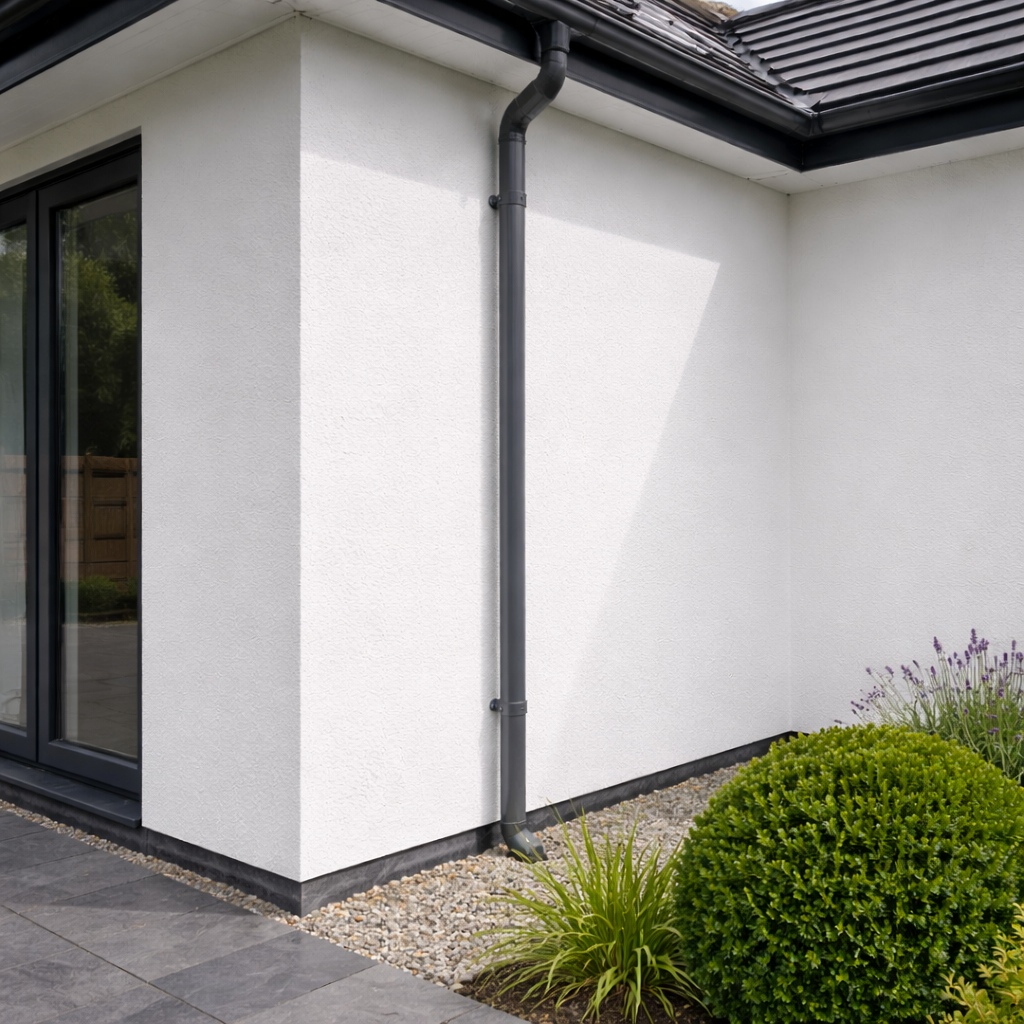
For a rendered or brick house, Exterior Walls and Masonry Paints are the natural starting points. For a steel or fibre cement shed, start with Cladding Paints, or Barn Paints on a farm. For tiled roofs, go to Roofing Paints and Coatings.
Specify an alternative where the job falls outside walls, cladding and roofs. Floor coatings, line marking, decking, fences and metal gates have their own departments and ranges.
Where two ranges both seem to fit, compare their descriptions against the surface and the exposure. The closer match on substrate should decide.