
Short Answer
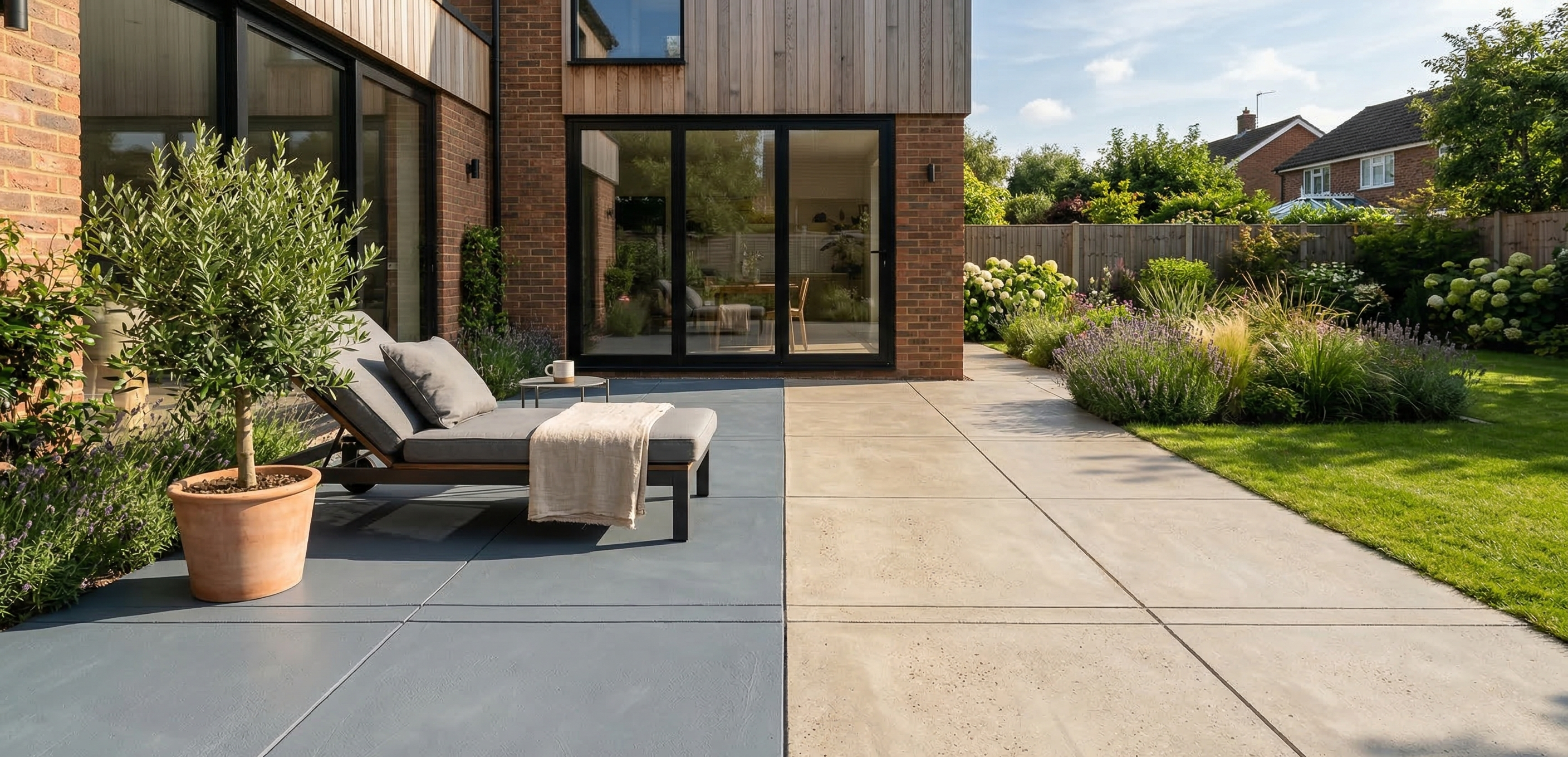
The best paint for outdoor concrete is water-based acrylic paint, like our Everest - Ultimate QD Concrete Floor Paint and Sealer - Anti-Slip.
Explanation:
Painting an interior floor is simple, being indoors allows you to control a lot of external factors that can otherwise complicate the process and impact the paints lifespan. Painting an outdoor patio, driveway, or garden path on the other hand, is a battle against the elements. External concrete faces a brutal cycle - especially in the UK. Scorching UV rays in summer, freezing frost in winter, and constant soaking from the rain.
If you use a standard indoor floor paint (like a hard Epoxy) outside, it will fail. Without proper UV protection, the Sun will turn it yellow, and the frost will make it crack. For the great outdoors, you need a resin that is engineered to survive the British weather. You need Water-Based Acrylic.
Here is why Water-Based Acrylic is the undisputed king of exterior concrete.
1. The "Sunblock" Effect (UV Stability)
The biggest enemy of outdoor paint isn't rain; it's the Sun.
-
The Problem: Most heavy-duty industrial paints (like Polyurethane) are Aromatic. They become brittle with exposure to UV light from the Sun, which rapidly leads to peeling and flaking. As they lack any form of UV protection, most polyurethane paints will be bleached by sunlight as well, causing them to lose their colour.
-
The Acrylic Solution: Acrylic resin is naturally Aliphatic (UV Stable). It is chemically immune to sunlight. You can paint your patio dark grey, and it will stay dark grey for years. It doesn't chalk, fade, or become brittle under UV exposure.
2. It Moves With the Season (Flexibility)
Concrete is not static. It moves. In the height of summer, your concrete slab expands. In the freezing winter, it shrinks.
-
The Problem: Hard resins like Epoxy act like a sheet of glass. When the concrete underneath expands, the rigid paint snaps. This causes hairline cracks, which let water in, inevitably leading to peeling.
-
The Acrylic Solution: Acrylic is Thermoplastic. It retains a degree of flexibility even when cured. It acts like a tight rubber skin that expands and contracts with the concrete. This flexibility prevents cracking when subject to thermal expansion and contraction.
3. The "Gore-Tex" Effect (Breathability)
Ground moisture is a constant battle outdoors. Damp rises from the earth through the concrete capillaries (microscopic holes in concrete that transport fluids).
-
The Problem: If you seal outdoor concrete with a thick, impermeable plastic coating, you trap that rising damp. The pressure builds up until it bubbles the paint off the surface in big blisters.
-
The Acrylic Solution: Water-based acrylics are Microporous - meaning they allow the concrete underneath to breathe. They prevent rain from soaking down into the concrete, but they allow moisture vapour to escape up from the ground. This balance is critical for preventing rising moisture related paint failures.
4. The User-Friendly Factor
Let's be honest: nobody likes dealing with strong solvents in the garden.
-
Eco-Friendly: Water-based acrylics are low odour and low VOC (Volatile Organic Compounds). You won't annoy the neighbours with chemical smells.
-
Fast Drying: You can usually recoat in 2–4 hours. This means you can get two coats down in a single sunny afternoon.
-
Easy Cleanup: No thinners or harsh chemicals required. Just wash your brushes and rollers in warm soapy water.
The Limitations
While Acrylic is the hero for patios and paths, it isn't magic.
-
Standing Water: Single-pack acrylics soften if they are submerged. If your driveway has puddles that sit for 3 days, the paint in those puddles may lift.
-
Hot Tyres: While tough, standard acrylics are not as hard as industrial polyurethane. If you have a heavy SUV and turn the wheels while stationary on a hot day, you can risk "tyre pick-up."
For more information on Hot Tyre Pickup, check out our article here.
Conclusion
Don't fight nature; work with it. Indoor paints are designed to be hard; outdoor paints are designed to be resilient and flexible. For a finish that keeps its colour in the Sun, flexes with the frost, and lets the ground breathe, there is only one choice.
-
UV Stable
-
Flexible
-
Breathable
Ready to transform your garden or driveway?
→ Shop our External Floor Paints
Share:
Epoxy vs. Polyurethane vs. Acrylic: Selecting the Right Paint
Can You Paint Over Existing Decking Paint?