Made In Great Britain

Direct from our factory

Free Next Day Delivery

On orders over £750

Product Test Results

All product test results published

Expert Technical Advice

Call or chat with our team

4.9
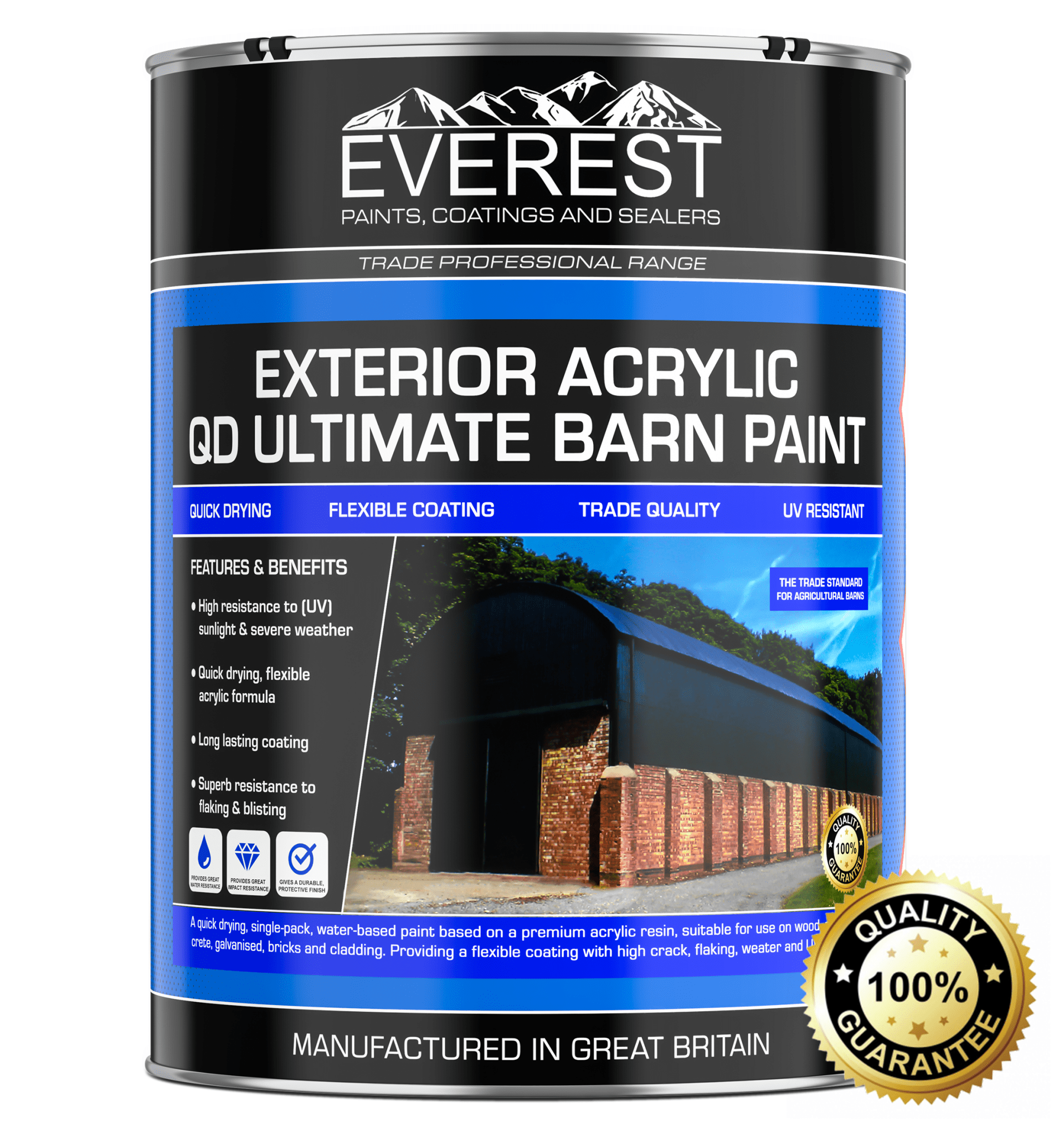
Everest - Acrylic Barn Paint - Everest Paints
Fornitore:Everest Paints
  • Nero
  • Bianco
  • Grigio chiaro (RAL 7047)
  • Harbour Grey
  • Pebble Grey (Light Grey)
Featured
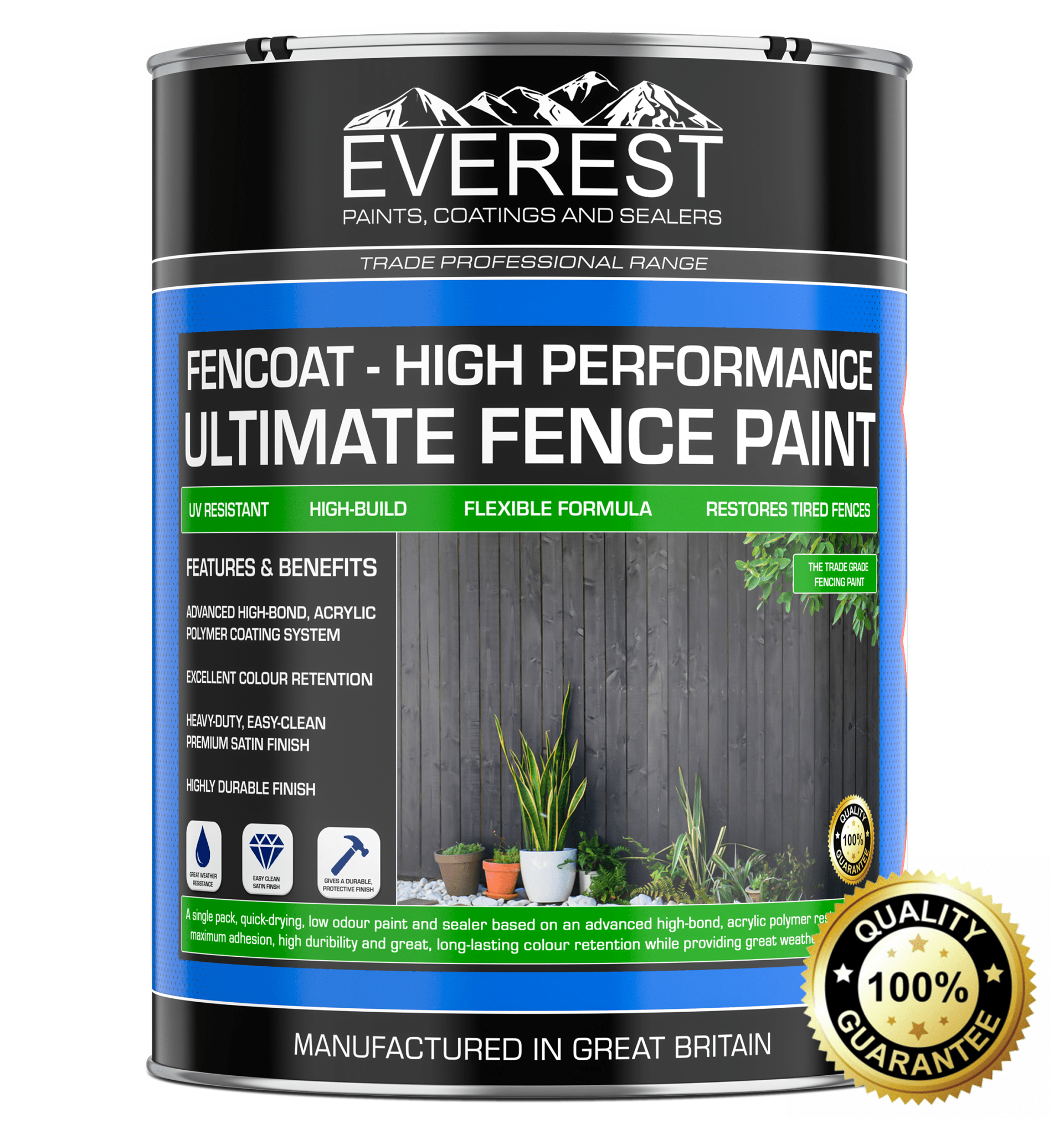
Everest - FENCOAT - Ultimate Fence Paint - Everest Paints
Featured
Everest - DEKCOAT - Ultimate Decking Paint - Anti - Slip - Everest Paints
Featured
Everest - DEKCOAT - Ultimate Decking Paint - Anti - Slip - Everest Paints
Close-up of a wooden and gray railing on a deck with greenery in the background.

Bare Wood or Metal?

Start With a Suitable Primer

Protective finishes provide the final decorative and protective layer but rely on correct substrate preparation. On bare timber or metal surfaces, apply a suitable primer before finishing coats.

View Primers & Undercoats
Featured
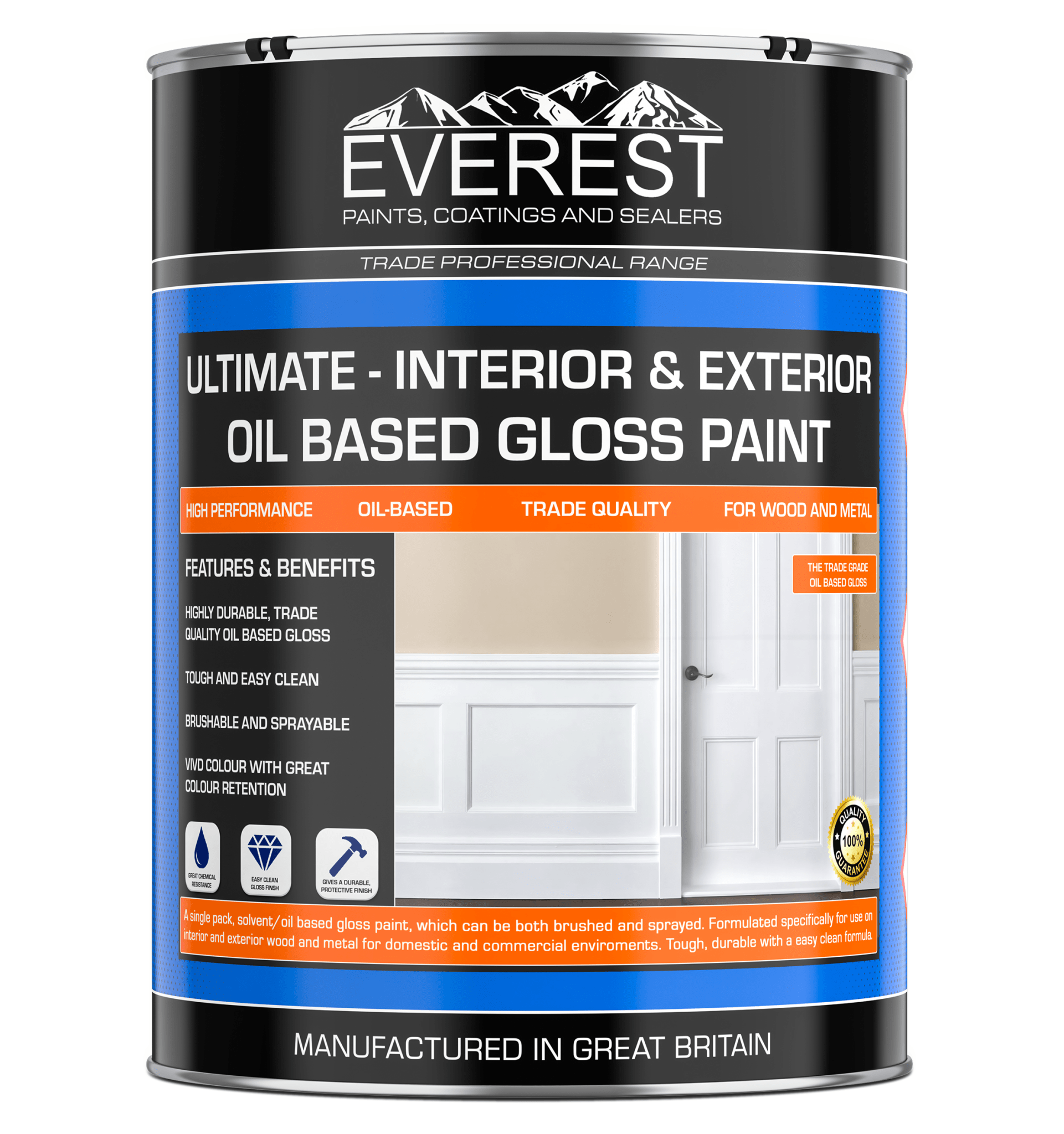
Everest - Oil Based Gloss Paint - Everest Paints
Featured
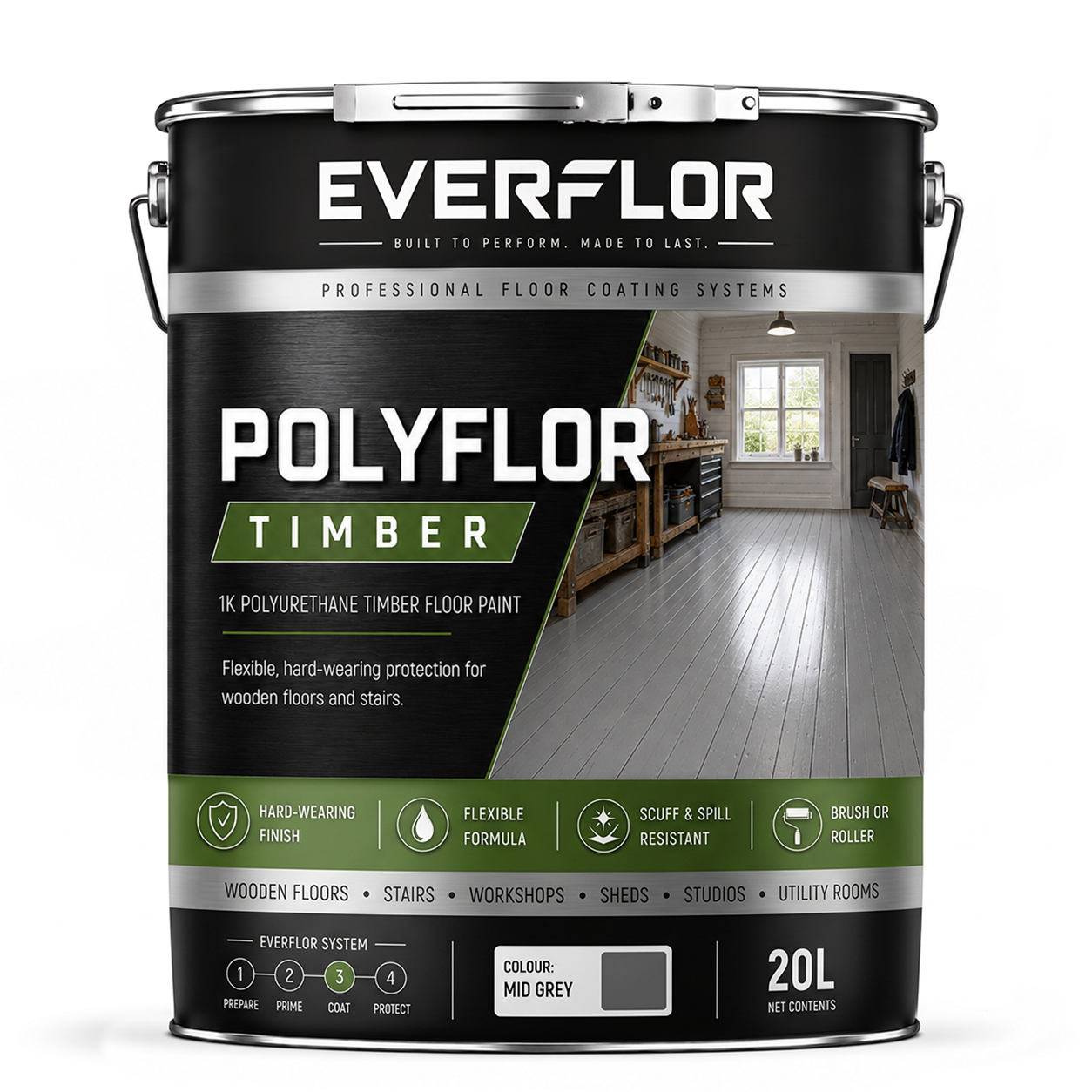
EverFlor - PolyFlor Timber - Floor Paint - Everest Paints

Wood Paint and Stain Systems for Interior and Exterior Timber

Duty classification:
Light to Medium Duty
Suitable substrates:
Wood

System Overview

For wood surfaces used in exterior structures and interior joinery, protective paint and stain systems are applied to slow moisture movement, improve durability, and maintain the visual condition of exposed timber. Timber substrates expand and contract with seasonal humidity and temperature variation, which means coating flexibility and proper substrate preparation are central to long-term performance.

This collection covers acrylic, polyurethane, and oil-based wood coating technologies used for both decorative and protective finishing. Systems include opaque wood paints that fully cover the timber grain as well as semi-transparent wood stains designed to enhance natural grain patterns while still providing weather protection and surface sealing. The selection of coating type generally depends on the desired finish, exposure conditions, and maintenance expectations.

These systems are typically specified across residential, agricultural, and light commercial timber applications including cladding, fencing, sheds, garden structures, and general timber joinery. Interior use commonly includes trim, doors, wood panelling, and other architectural timber features where a protective decorative finish is required.

Suitable Substrates & Surface Preparation

Timber must be clean, dry, and structurally sound before any paint or stain system is applied. Surface contamination from dirt, mould, grease, previous coatings, or weathered fibres can significantly reduce adhesion and coating longevity. Loose fibres and degraded surface timber should be removed by sanding or mechanical preparation to expose a stable base.

New timber often benefits from light sanding to open the surface and improve coating penetration. Where resinous softwoods or treated timbers are present, cleaning and appropriate primers may be required before the finishing system is applied. End grain areas should receive particular attention as these sections can absorb moisture more readily than flat surfaces.

Previously coated wood requires inspection for flaking, peeling, or brittle coatings. Weak or poorly adhered finishes should be removed before recoating. Sound coatings can sometimes be overcoated after cleaning and abrasion to provide a suitable key for the new system.

Exterior timber surfaces may also require preservatives or primers depending on species, exposure, and the condition of the substrate.

Performance Characteristics & Limitations

Acrylic wood coatings are commonly used where faster drying, lower odour, and easier maintenance are beneficial. They provide flexible films capable of accommodating moderate timber movement and can offer reasonable resistance to weathering when maintained correctly. However, acrylic coatings generally provide lighter mechanical durability compared with polyurethane-based systems.

Polyurethane coatings are typically selected where improved abrasion resistance and longer wear are required, particularly on interior timber such as doors, joinery, or woodwork subject to regular contact. These systems can provide stronger protective films, although they require proper surface preparation and controlled application to perform effectively.

Oil-based wood coatings and stains often penetrate deeper into timber surfaces and can provide strong water resistance and traditional wood finish aesthetics. Their slower drying time may extend application schedules, but they can offer good durability in many exterior timber environments when maintained periodically.

Exterior durability is influenced heavily by sun exposure, rainfall, and timber movement. Even well-specified coatings will require periodic maintenance cycles, particularly on south-facing or highly exposed timber.

Internal vs External Considerations

Interior timber coatings primarily focus on decorative finish quality, moderate abrasion resistance, and ease of maintenance. Doors, skirting boards, trims, and other joinery typically experience contact wear rather than severe environmental exposure. In these areas, polyurethane or durable acrylic systems are often selected to balance durability and appearance.

Exterior timber surfaces experience significantly greater environmental stress. UV exposure, rainfall, and temperature variation can accelerate coating degradation and timber movement. Flexible coatings that can accommodate seasonal expansion and contraction are particularly important on cladding, fencing, and outdoor structures.

Semi-transparent stains are often chosen externally where maintaining visible wood grain is important, while opaque paints provide stronger UV shielding and more uniform colour protection across timber surfaces.

Selection Guidance & When to Specify Alternatives

This gateway collection is intended for general wood paint and stain systems used on timber surfaces requiring decorative protection and moderate durability. It covers coatings suitable for routine maintenance, light commercial applications, and exterior timber structures where flexibility and weather protection are needed.

Where timber surfaces require higher abrasion resistance, such as heavily used interior joinery or areas exposed to repeated handling, polyurethane protective finishes may provide a more durable solution than standard wood paints or stains.

For highly exposed exterior timber, specialist exterior wood protection systems may also be appropriate where extended weather resistance or deeper timber penetration is required. Final system selection should consider timber species, exposure level, desired appearance, and the expected maintenance cycle.
View Primers and Undercoats

Wood Paints & Stains FAQs

View All FAQ's

Technical Guidance & Application Advice

Wood coatings must accommodate the natural movement, porosity, and moisture behaviour of timber substrates. Proper surface preparation, moisture control, and the selection of a suitable resin technology are essential for achieving consistent adhesion and long-term protection. Acrylic, polyurethane, and oil-based systems each behave differently in terms of penetration, flexibility, drying time, and weathering resistance, so the coating system should always match the exposure conditions and timber type.

What preparation is required before applying paint or stain to timber surfaces?

Timber should be clean, dry, and free from surface contamination before coating. Dirt, algae, oils, and loose fibres should be removed through cleaning and light sanding where necessary. Previously painted surfaces should be inspected for loose or flaking material and prepared accordingly. Bare timber may benefit from priming or preservative treatment, particularly for exterior use. Moisture content should also be considered, as excessively damp timber can interfere with adhesion and curing. Proper preparation helps ensure the coating penetrates or bonds correctly to the timber surface.

What is the difference between wood paint and wood stain systems?

Wood paints form an opaque film on the surface of the timber, providing colour coverage and a protective barrier against moisture and weather exposure. Wood stains are typically semi-transparent and designed to penetrate the timber surface while allowing the natural grain to remain visible. Stains often provide a lower film build than paints and may require more frequent maintenance in exposed environments. The choice between paint and stain usually depends on the desired appearance, level of exposure, and the condition of the timber substrate.

Are acrylic wood coatings suitable for exterior timber applications?

Water-based acrylic coatings are commonly used for exterior timber due to their flexibility, relatively fast drying times, and resistance to UV degradation. These coatings can accommodate some degree of timber movement caused by temperature and moisture fluctuations. However, the durability of acrylic systems will depend on exposure conditions and coating thickness. Areas subject to severe weathering or heavy wear may benefit from additional protective systems or more durable resin technologies depending on the application.

When should oil-based wood coatings be considered?

Oil-based coatings are often used where deeper penetration into the timber surface is beneficial, particularly on porous or weathered wood. These systems can enhance timber grain appearance and may provide good water resistance once cured. However, oil-based coatings typically have longer drying and recoat times compared with water-based acrylic systems. Application planning should account for these curing periods. They are commonly used for exterior joinery, fencing, and timber structures where penetration and traditional finishes are preferred.

How does polyurethane improve durability on timber surfaces?

Polyurethane coatings are typically used where additional surface durability is required, such as on interior woodwork, doors, joinery, or timber surfaces exposed to moderate wear. These coatings form a tougher protective film compared with many decorative wood finishes. They can offer improved resistance to abrasion, cleaning, and general handling. Polyurethane systems are usually used as protective topcoats over prepared timber or previously sealed surfaces, and correct preparation remains essential for achieving reliable adhesion.

Why is timber moisture content important when applying wood coatings?

Timber naturally absorbs and releases moisture depending on environmental conditions. If coatings are applied to damp or wet timber, adhesion can be compromised and curing may be inconsistent. Excess moisture can also become trapped beneath the coating film, leading to blistering, staining, or premature failure. As a general principle, timber should be allowed to dry adequately before application, particularly for exterior projects. Ensuring stable substrate conditions helps the coating system perform as intended.

Didn’t find your answer?

Don't hestitate to contact us

Expert Advice & Guides

A few of our most recent guides applicable to this product range.

View Technical Hub

Questa sezione non include attualmente alcun contenuto. Aggiungi contenuti a questa sezione utilizzando la barra laterale.