System Overview
For metal and previously painted metal surfaces, protective coating systems are used to provide decorative finishing while helping protect exposed steel and architectural metalwork from corrosion and environmental exposure. Metal coatings create a barrier layer that reduces moisture contact with the substrate while improving the appearance and maintainability of structural and decorative metal elements.
Metal surfaces such as gates, railings, balustrades, fences, and metal doors are frequently exposed to weather, physical contact, and gradual surface degradation. Without appropriate protective coatings, exposed steel components can develop corrosion and surface deterioration over time.
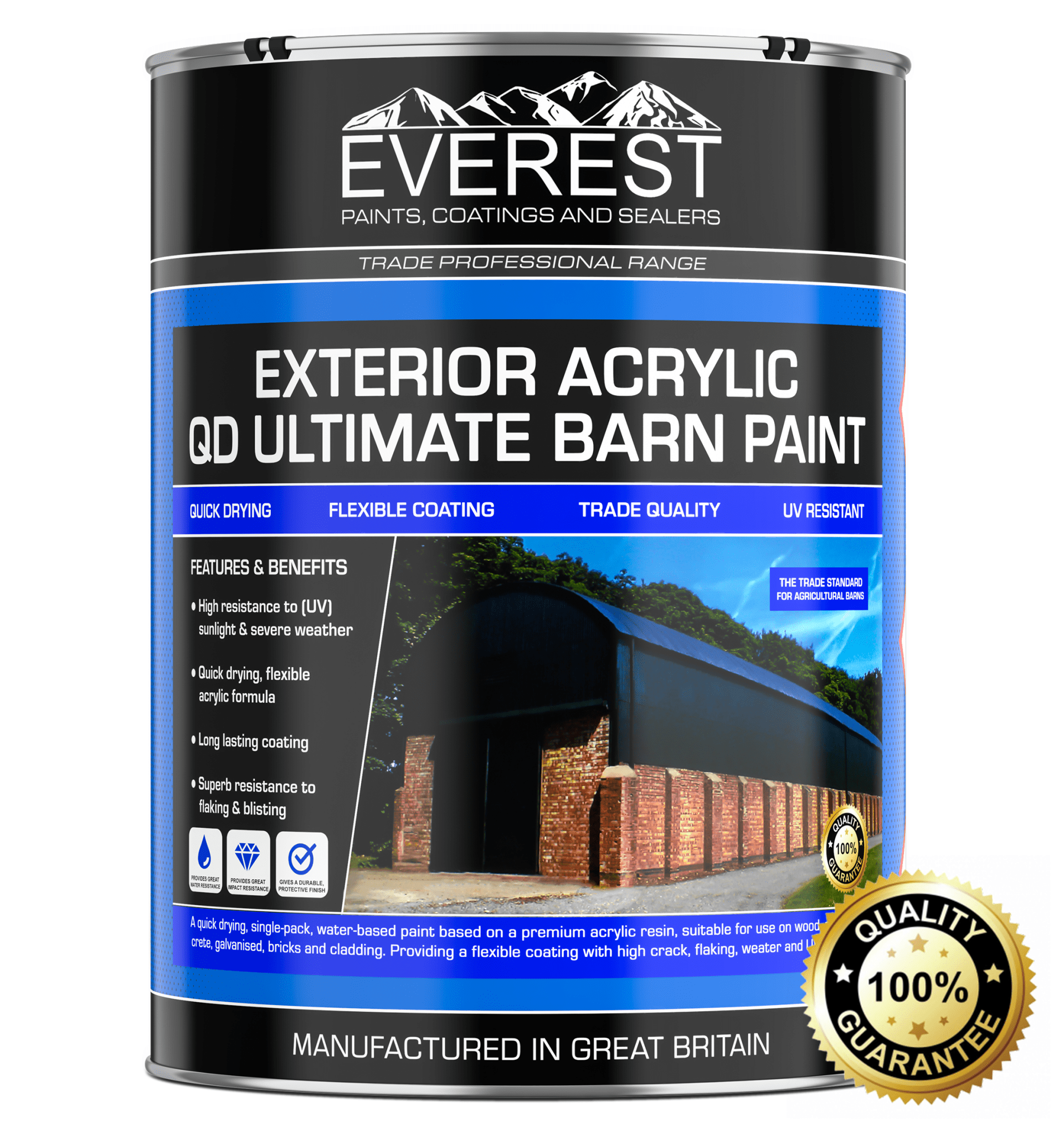
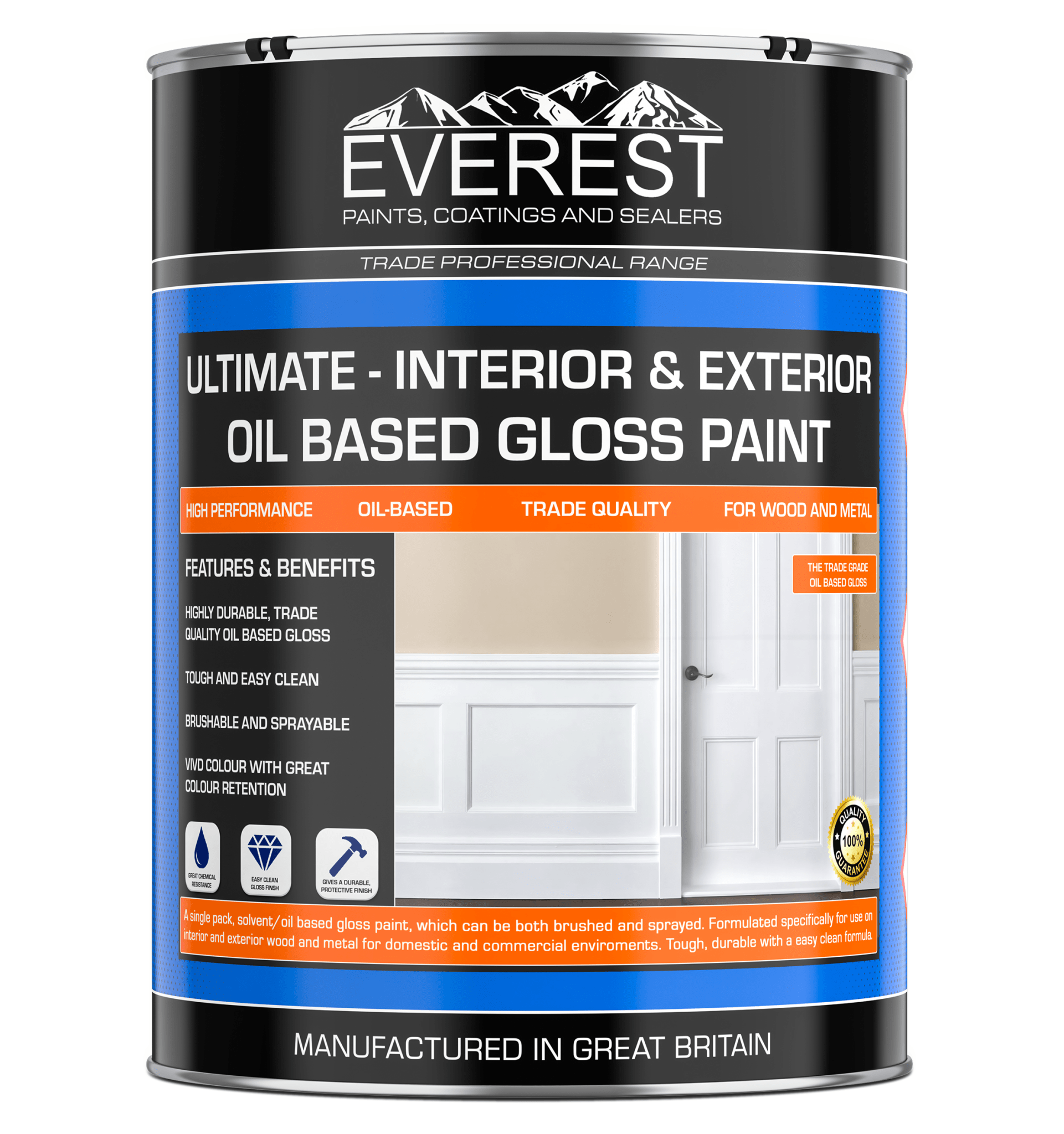
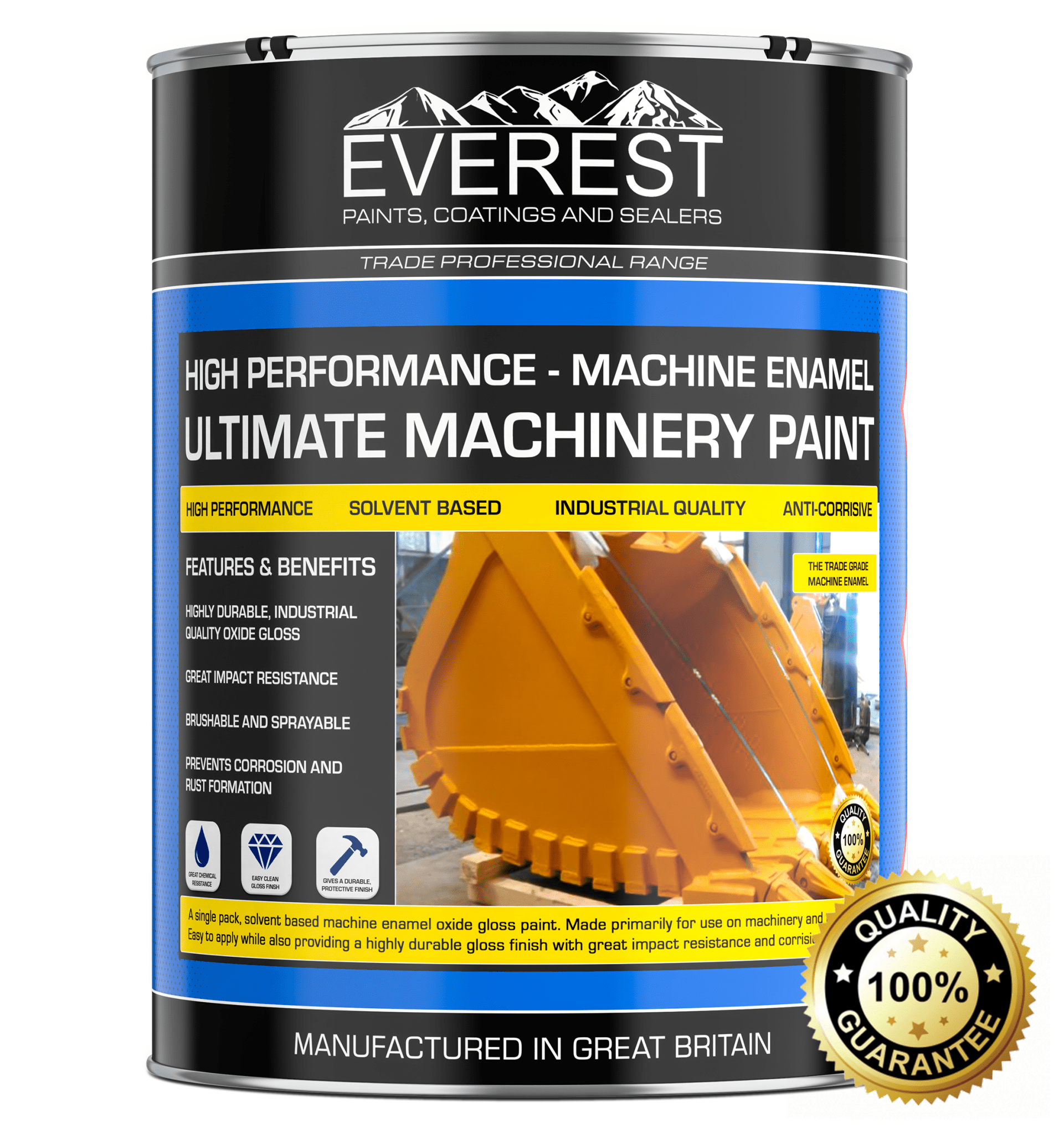
EVEREST coatings for metal surfaces are typically formulated using water-based acrylic and oil-based gloss technologies. Acrylic systems provide practical weather resistance and colour stability, while oil-based coatings are often used where durable gloss finishes and robust film formation are required on architectural metalwork.
These coatings are widely used for maintenance and refurbishment of residential and light commercial metal structures where decorative appearance and moderate corrosion protection are required.
Suitable Substrates & Surface Preparation
Metal coatings are commonly applied to steel substrates used in architectural features such as gates, railings, fences, and structural elements. Proper preparation is essential to ensure adequate adhesion and corrosion protection.
Where bare steel is exposed, rust and mill scale must be removed prior to coating. Mechanical preparation methods such as wire brushing, sanding, or abrasive cleaning are typically used to remove loose corrosion and create a stable substrate.
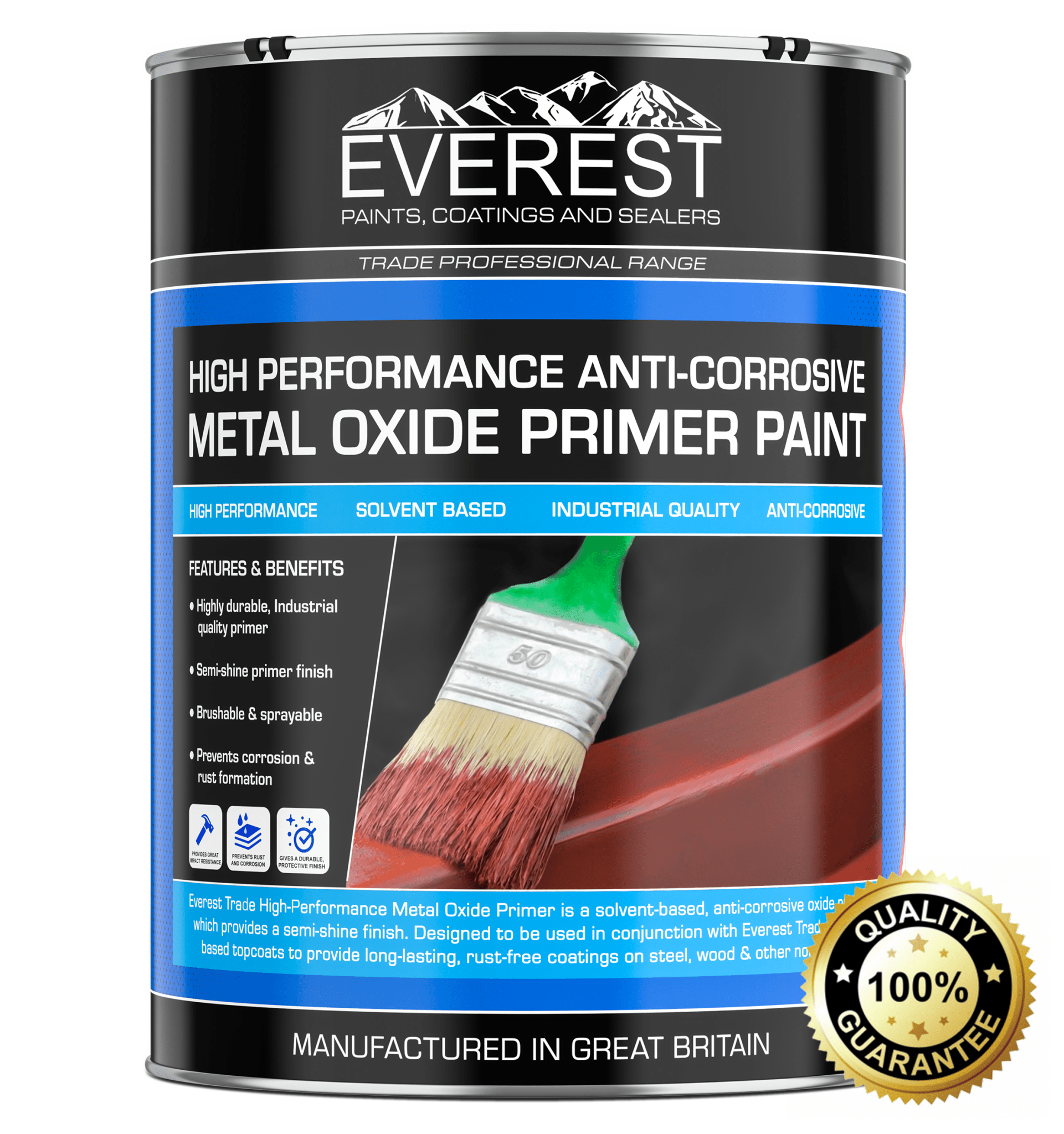
Cleaning is also required to remove grease, oils, and environmental contaminants that could interfere with coating adhesion. Once the metal surface is clean and properly prepared, suitable primers are often applied to promote adhesion and provide additional corrosion protection before the finishing coats are applied.
Previously painted metal surfaces can usually be recoated where the existing coating remains sound and firmly adhered. Loose or deteriorated coatings should be removed and the surface lightly abraded to improve intercoat adhesion.
Where corrosion has developed beneath existing coatings, affected areas should be cleaned back to stable metal before applying primer and finishing coats.
Performance Characteristics & Limitations
Paint systems for metal surfaces provide a decorative finish while helping protect steel from moisture exposure and surface oxidation. The coating film acts as a barrier that slows the corrosion process by limiting contact between the metal substrate and the surrounding environment.
Oil-based gloss coatings are commonly used where durable, high-sheen finishes are required on architectural metalwork. These coatings typically provide good film formation and surface coverage, producing a smooth and resilient protective layer.
Water-based acrylic metal coatings offer practical weather resistance and relatively fast drying behaviour. They can be suitable for both interior and exterior applications where ease of application and colour stability are important.
Despite their protective properties, coatings in this category are generally designed for light to medium duty environments. They are not intended for aggressive industrial atmospheres, marine environments, or areas subject to heavy chemical exposure.
Long-term performance is also highly dependent on correct surface preparation and the use of compatible primer systems where necessary.
Internal vs External Considerations
Metal surfaces may be located in both internal and external environments, and coating selection should reflect the level of exposure.
Exterior metalwork such as gates, fences, railings, and structural components must resist weather exposure including rain, temperature changes, and UV radiation. Coatings used in these locations should provide reliable adhesion and resistance to environmental degradation.
Interior metal surfaces including balustrades, frames, and service fixtures typically experience lower environmental stress but may still be subject to handling, abrasion, and routine cleaning.
In both cases, the durability of the coating system depends on substrate condition and the level of protection required for the environment in which the metal structure is located.
Selection Guidance & When to Specify Alternatives
General metal surface coatings are typically specified for routine maintenance and refurbishment of architectural metal elements where decorative finishing and moderate corrosion protection are required.
They are suitable for residential and light commercial environments including gates, railings, metal doors, fencing, and structural fixtures where exposure conditions remain relatively moderate.
However, where metal structures are located in environments with higher corrosion risk or prolonged exposure to moisture and pollutants, more specialised coating systems may be required. Anti-corrosion coatings incorporating dedicated primers and higher performance protective layers can provide greater long-term durability in demanding conditions.
Selecting the appropriate coating system should therefore consider the condition of the metal substrate, the environmental exposure, and the expected service life of the protective finish.