
Guides and Posts
Of Products
Help Categories
Helpful Staff
Product Selection & Surface Guidance
Find the Right Sealer
Search by surface type or requirement to access the correct selection guide. From block paving and concrete to patios and roof tiles, choose the right sealer for your application.
- 0 commenti
- scritto da Sam Marriott
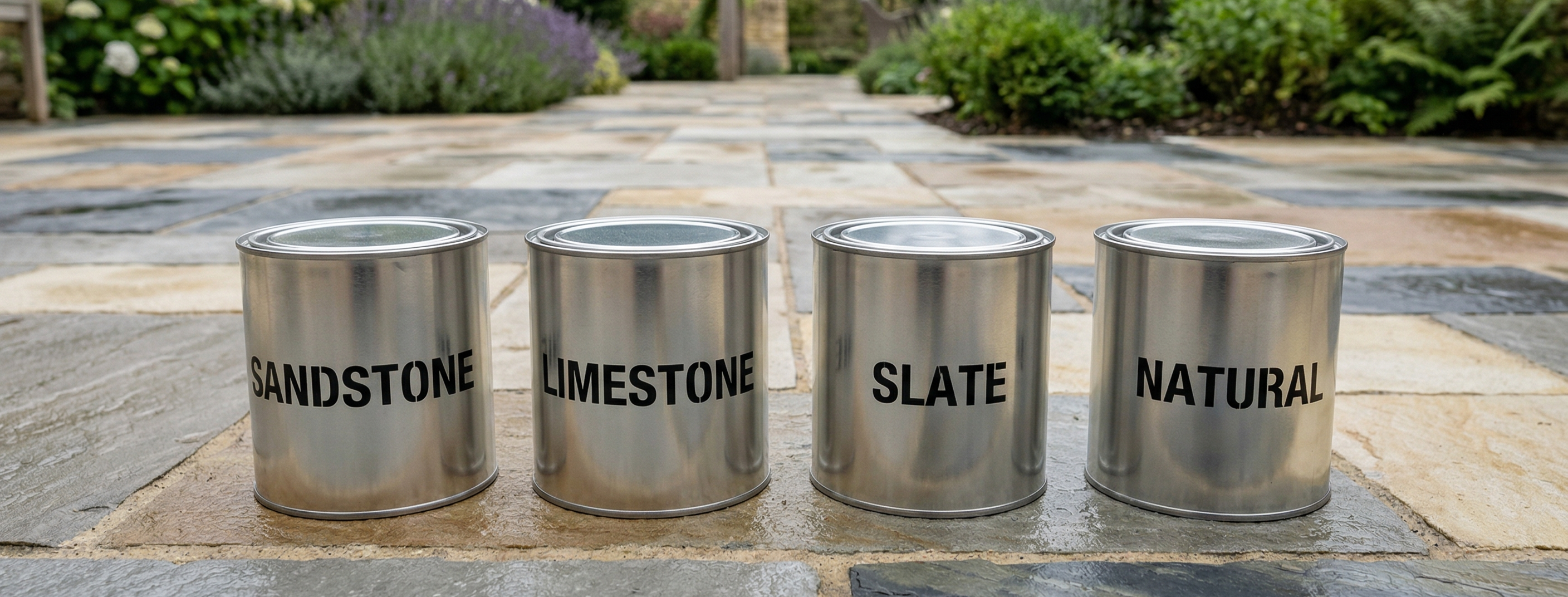
Best Sealer for Natural Paving Stones? Why One Size Doesn’t Fit All
- 0 commenti
- scritto da Sam Marriott
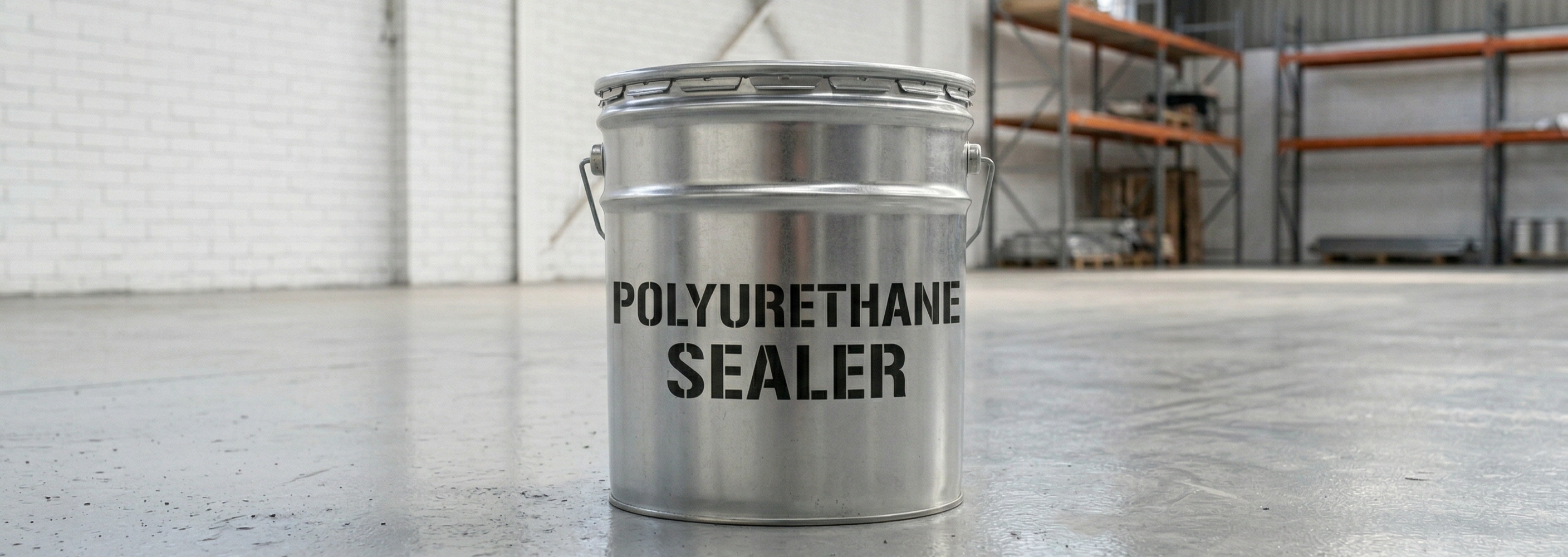
Best Sealer for Interior Concrete? Why You Need a Polyurethane Coating
- 0 commenti
- scritto da Sam Marriott
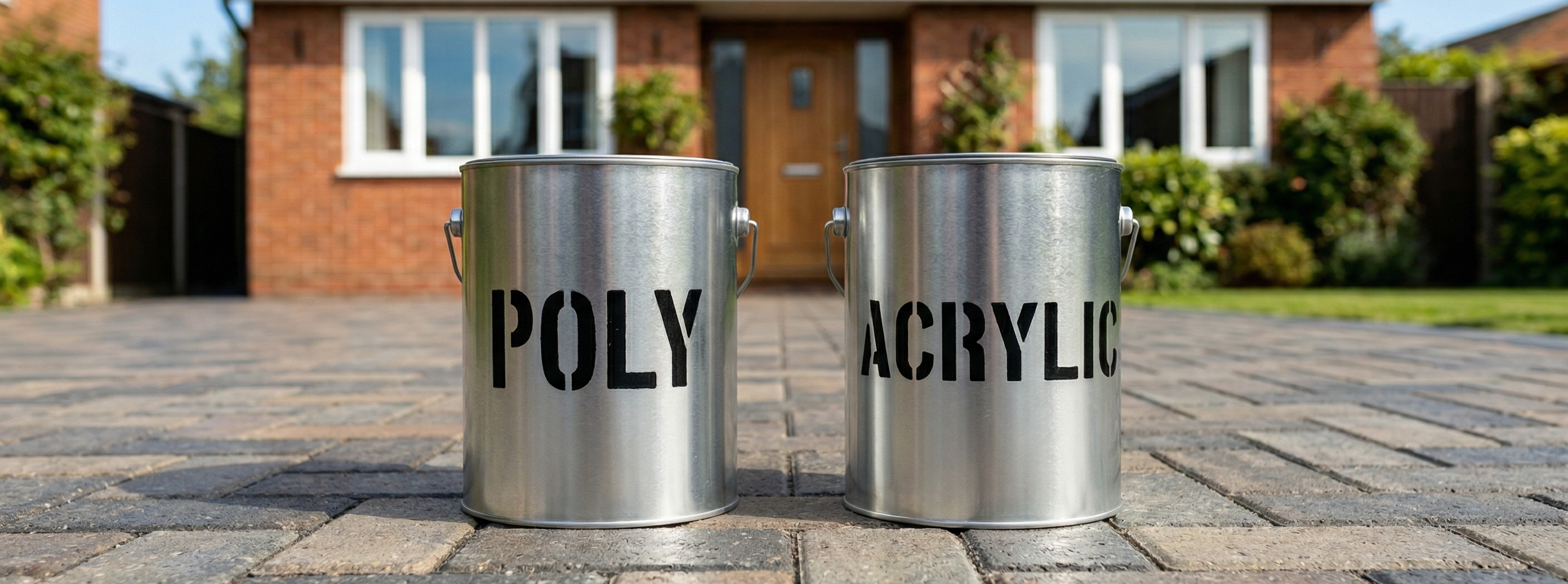
Best Sealer for Block Paving? Solvent Free vs. Polyurethane
- 0 commenti
- scritto da Sam Marriott
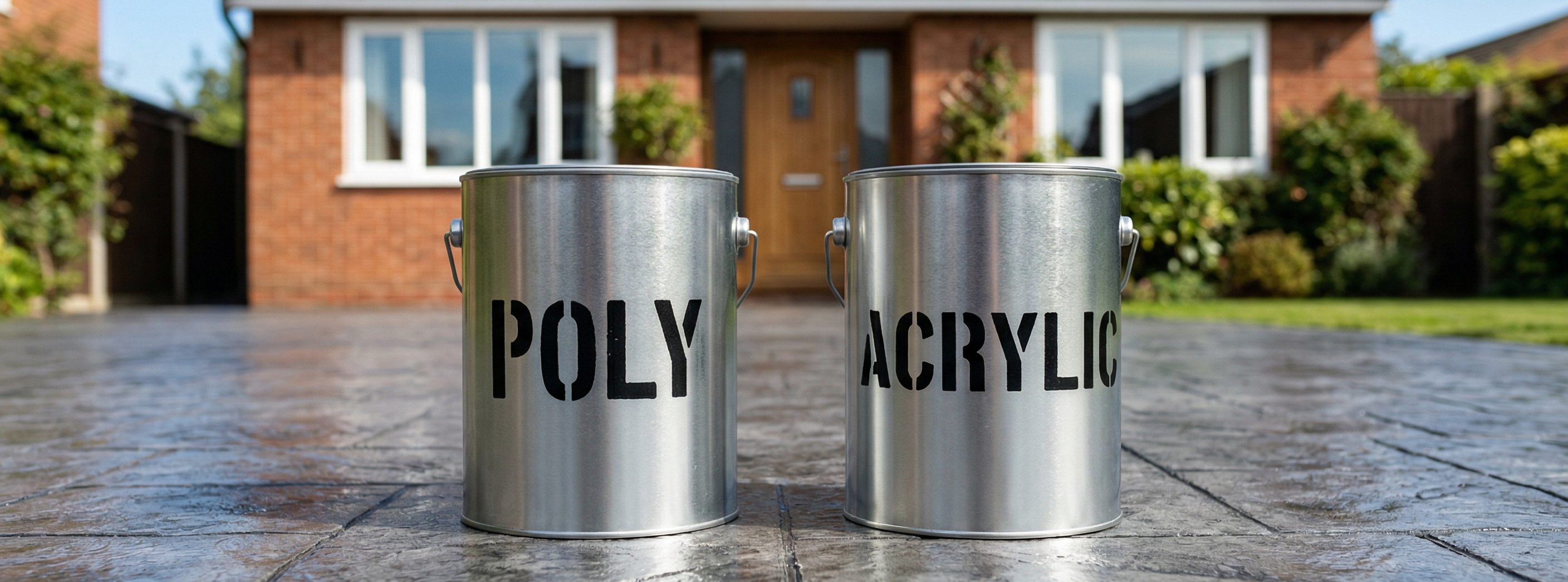
Best Sealer for Exterior Concrete? Polyurethane vs. Acrylic
No guides found matching your search.
Try a different keyword.
By Surface, Finish & Performance
Sealer Selection
Guides to help you choose the correct sealer based on surface type, condition and desired finish. Designed to ensure proper protection and long-term durability.
Best Sealer for Natural Paving Stones? Why One Size Doesn’t Fit All
Best Sealer for Interior Concrete? Why You Need a Polyurethane Coating
Best Sealer for Block Paving? Solvent Free vs. Polyurethane
Best Sealer for Exterior Concrete? Polyurethane vs. Acrylic
Application Methods & Best Practice Explained
Floor Paint Application FAQ’s
SURFACE TYPE & SUBSTRATE SELECTION
Different surfaces require sealers designed for their structure, porosity and exposure conditions.
What is the best sealer for block paving?
Block paving requires a sealer that penetrates the joints and surface to bind sand, reduce movement and protect against staining. Acrylic and polyurethane-based sealers are commonly used depending on the desired finish and durability. The condition of the paving and whether it has been previously sealed should also be considered.
Which sealer should I use for concrete driveways or patios?
Concrete surfaces require sealers that can penetrate and protect against water ingress, staining and surface wear. Penetrating sealers provide a natural finish, while acrylic sealers can enhance colour and provide a “wet look” effect.
Can I use the same sealer for patios and roofs?
Not always. Roof surfaces require sealers designed for higher exposure to weather, UV and water runoff. Patio and driveway sealers are typically not suitable for roof applications.
Do different surfaces absorb sealer differently?
Yes. Porous surfaces such as concrete and natural stone absorb more sealer, while dense or previously sealed surfaces may limit penetration. This affects both product choice and coverage.
Do I need to remove old sealer before applying a new one?
If the existing sealer is failing or incompatible, it must be removed. Applying new sealer over a blocked or unstable surface will reduce performance.
What happens if I use the wrong sealer for the surface?
Incorrect selection can lead to poor penetration, patchy appearance, reduced durability or complete failure of the system.
EXPOSURE, USE & PERFORMANCE REQUIREMENTS
External surfaces are exposed to weather, traffic and environmental conditions that determine the required level of protection.
How does exposure affect sealer choice?
Driveways and patios are exposed to rain, UV, foot traffic and vehicles, while roofs are exposed to more extreme weather conditions. The sealer must be selected based on its ability to withstand these factors.
Do I need a heavy-duty sealer for driveways?
Yes. Driveways exposed to vehicle traffic require durable sealers that can resist wear, oil staining and surface movement.
What is the best sealer for patios?
Patios typically require sealers that protect against weathering, staining and biological growth. The choice depends on the material and desired finish.
Does UV exposure affect sealers?
Yes. UV exposure can degrade sealers over time, particularly lower-quality products. UV-resistant systems provide longer-lasting protection.
Do I need a breathable sealer?Do I need a breathable sealer?
In some cases, yes. Surfaces that retain moisture may require breathable sealers to prevent trapping moisture beneath the surface.
What happens if the sealer isn’t suited to the environment?
The sealer may degrade prematurely, lose effectiveness or fail to protect the surface properly.
FINISH, TYPE & SYSTEM SELECTION
Sealers vary in finish, appearance and performance. Selecting the right type ensures both protection and desired visual outcome.
What is the difference between penetrating and surface sealers?
Penetrating sealers absorb into the substrate and provide protection without significantly changing appearance. Surface sealers form a film on top and can enhance colour or provide a gloss or wet-look finish.
What is a “wet look” sealer?
Wet look sealers enhance the natural colour of the surface, giving a darker, richer appearance. They are commonly used on block paving and concrete.
Will a sealer change the appearance of my surface?
Yes, depending on the product. Some sealers are designed to be invisible, while others enhance colour or add sheen.
How do I choose between different sealer types?
Consider the substrate, level of exposure and desired finish. For example, high-traffic areas may require more durable film-forming sealers, while natural finishes may benefit from penetrating systems.
How long do sealers last?
Durability depends on the product, surface and exposure conditions. Higher-performance systems typically last longer but may require more preparation.
What is the biggest mistake when choosing a sealer?
Choosing based on appearance alone without considering substrate condition and performance requirements. This often leads to poor durability and the need for reapplication.
The Help & Technical Hub
Our coatings are backed by more than just performance — they’re supported by clear documentation, practical guides, and real technical support.
The Help & Technical Hub brings together preparation guides, application advice, FAQs, SDS & TDS downloads, and system recommendations to help you choose, apply, and maintain the right coating with confidence.